
(Re-)Shaping Written Artefacts
Research Field D
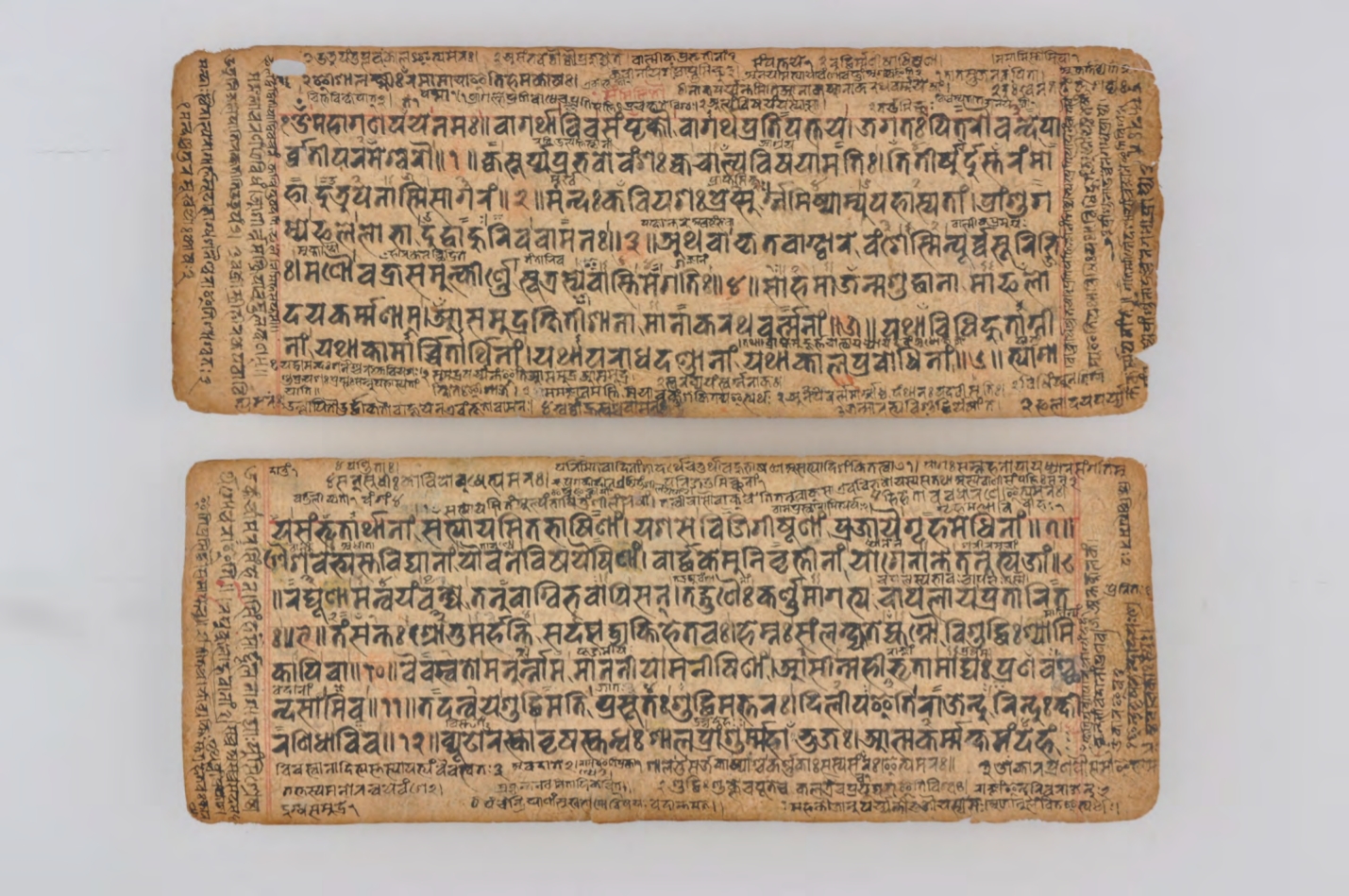
Far from being stable or unchanging entities, many written artefacts evolve over the course of time, acquiring ‘layers’ akin to archaeological strata. Focussing on such ‘multilayered written artefacts’, this Research Field explored how and why written artefacts are shaped and re-shaped throughout their life cycle. Building on stratigraphic research on European codex manuscripts, it broadened the perspective on multilayered written artefacts around the globe from antiquity to the present.
One of the key results of this collaborative work is the paper ‘Multilayered Written Artefacts: Definition, Typology, Formatting’, which conceptualises preliminary findings of this cross-cultural and diachronic approach. The proposed concepts invite scholars to consider the temporal dimension of written artefacts and can serve as tools to pinpoint the changes they underwent over time.
Over the years, RFD has held several international workshops on central topics that emerged during the group’s work. The workshop ‘Layers of Authority – Authority of Layers’ (2021) addressed the internal dynamics of multilayered written artefacts. Two consecutive workshops entitled ‘Removed and Rewritten’ (2021 and 2023 dealt with palimpsests and related phenomena. Finally, the workshop ‘Accumulating Notes: Notebooks, Diaries and Related Examples of Everyday Writing as Multilayered Written Artefacts’ (2023), co-organised with Research Field G ‘Keeping Note(book)s’, brought the stratigraphic approach to bear on written artefacts related to practices of note-taking. Selected contributions from these events have been published in a thematic section of manuscript cultures 20 as well as in the volumes Palimpsests and Related Phenomena across Languages and Cultures and Accumulating Notes: Note-taking and Multilayered Written Artefacts.
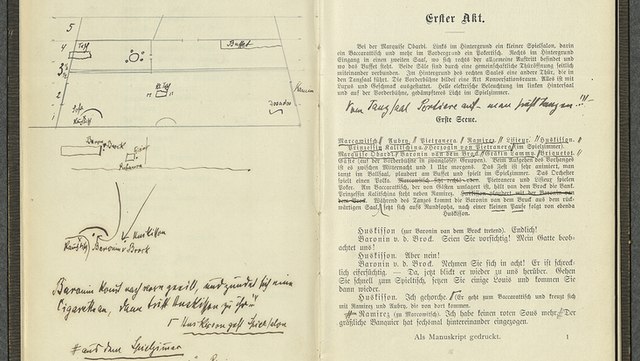
In their individual research projects, the members of RFD have shed further light on the various forms and functions of layering based on written artefacts from scholarly, performative, or administrative settings. Christian Brockmann and José Maksimczuk demonstrated how analysing layers in manuscripts with Aristotle’s Organon can help to trace the practices of Byzantine scholars, scribes, and laymen. An exemplary case is their analysis of the multilayered manuscript Reg. gr. 107 from the Vatican Library. In their monograph, Martin Jörg Schäfer and Alexander Weinstock examined the many-handed creation, handwritten transformation, and often decades of use of prompt books from the Hamburg ‘Theatre-Library’ in a time increasingly dominated by print (1770s–1820s). Based on an investigation of handwritten annotations in printed scores of Richard Wagner’s Rheingold from the nineteenth century, Ivana Rentsch exhibited the fundamental role that the layers of annotations played in musical performance practices. In two papers focusing on the production process and life cycle of ancient Chinese bamboo and wood scrolls, Thies Staack illustrated the benefits of in-depth study of codicological features of scrolls and the importance of considering them as evolving entities, to further improve their reconstruction and description. He also tested the applicability of concepts originally developed for the stratigraphic analysis of Medieval European codex manuscripts.
Spokesperson: Thies Staack
Research Projects
RFD02
The Linguistic and Material Aspects of Mixed-Language Manuscripts in the Śrīvaiṣṇava Tradition
RFD03
Jñānaśrīmitranibandhāvali as a Multiple-Text Manuscript
RFD07
Multilayered Manuscripts in the Transmission of Aristotle's Organon
RFD08
Multilayered Writing in Hamburg Prompt Books and Playbooks since the 18th Century
RFD16
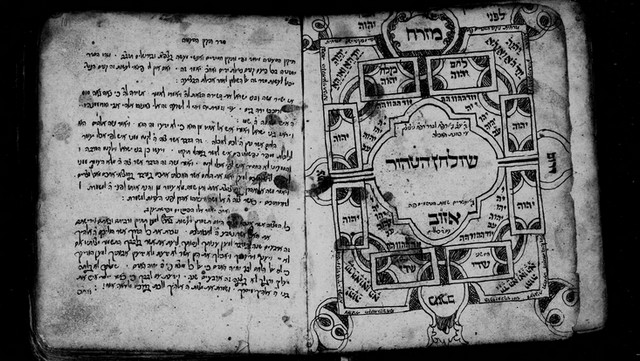
Formatting Lurianic Metaphysics
Visualizations of the Godhead in Kabbalistic Prayerbooks
RFD17
A Study of Paleograophy and Colophons in a Selection of Dated Palm-Leaf Manuscripts from Nepal
RFD18
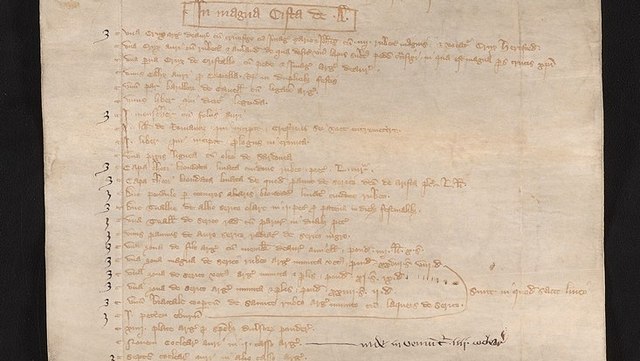
The Origins and Development of the English Queen's Household and Wardrobe
RFD19
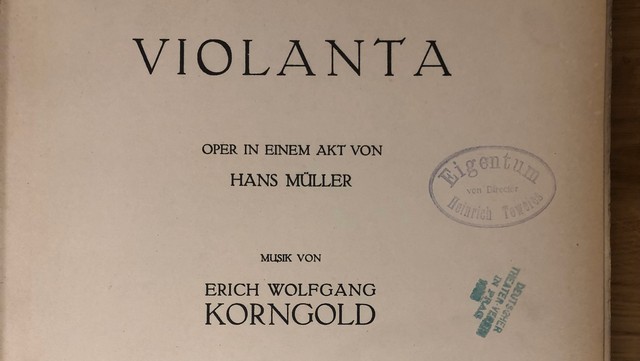
Performance Practice of Viennese Modernism – Collaboration in Composing and Conducting at the Turn of the Century
RFD21
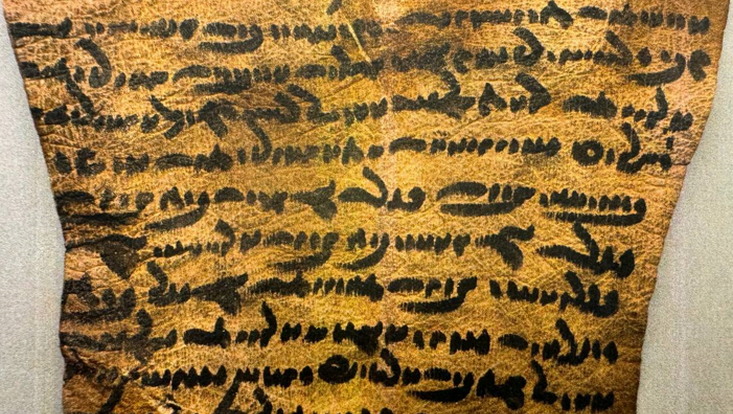
Studying the Middle Persian/Pahlavi Documents from the Late Sasanian and Early Islamic Periods
RFD22
Mapping the Vilayetname Manuscript Tradition in Space, Time, and Culture