• Zur Metanavigation
  • Zur Hauptnavigation
  • Zur Suche
  • Zum Inhalt
  • Zur Subnavigation
  • Zum Seitenfuß
  • University of Hamburg
  • For journalists
  • Staff Service Portal0
  • STiNE
https://www.kus.uni-hamburg.de/aktuelles.json?recentnews=true
  • Institutions and target groups
    • Einrichtungen
      • Faculties

        • Faculty of Law
        • Faculty of Business, Economics and Social Sciences
        • Faculty of Medicine
        • Faculty of Education
        • Faculty of Humanities
        • Faculty of Mathematics, Informatics and Natural Sciences
        • Faculty of Psychology and Human Movement Science
        • University of Hamburg Business School
      • Services

        • Study Information Net STiNE
        • Surfmail
        • Exchange
        • Staff Service Portal
        • Learning Platforms
        • Katalogplus – Catalogue of Hamburg Libraries
        • SharePoint
      • Student facilities and services

        • Campus Center
        • Career Center
        • PIASTA
        • AStA (student council)
        • University Sports
        • University Music
        • Family Office
        • University Language Center
        • General Languages
        • Office of Affairs for Students with Disabilities or Chronic Diseases
        • Departmental libraries
        • Healthy Campus
      • Further facilities and services

        • The Cluster of Excellence CLICCS
        • The Cluster of Excellence CUI
        • The Cluster of Excellence Quantum Universe
        • The Cluster of Excellence Understanding Written Artefacts
        • Hamburg Research Academy
        • Pier Plus
        • Hamburg Center for University Teaching and Learning (HUL)
        • Hub for Crossdisciplinary Learning (HCL)
        • CEN
        • Museums and collections
        • University Archives (in German)
        • Regional Computing Center (RRZ)
        • University Administration
        • Knowledge Exchange Agency
        • The Unikontor Shop (in German)
    • Target groups

      • Prospective students
      • Students
      • International prospective students
      • Young researchers
      • Researchers
      • Instructors
      • Staff
      • Prospective continuing education students
      • Alumni
      • Journalists
      • Refugees (in German only)
    Close
  • /sitemap.json
University of Hamburg - to research, to teach, to educate and form, to homepage

CSMC

CSMCCentre for the Study of Manuscript Cultures
  • About
    • People
    • News
    • Ethics
    • Equity & Diversity
    • Sustainability
    • Logbook: The CSMC Blog
    • Contact & Newsletter
    • Vacant Positions
    • Intranet
  • Research
    • Concepts & Methods Units
    • Project Groups
    • Individual Research Projects
    • Working Groups
    • Affiliated Projects
    • Fellowships
    • Research Events
    • UWA I (2019–2025)
    • SFB (2012–2020)
  • Core Units
    • Laboratories
    • Graduate School
    • Cultural Heritage
    • Library
  • Collaboration
    • with Research Partners
    • with Archives, Libraries, and Museums
    • with Artists
    • with Companies
    • with Schools
    • within the HALM and PIER Networks
  • Publications
    • manuscript cultures
    • Studies in Manuscript Cultures
    • Occasional Papers
    • Software
    • Research Data and Information Systems
    • Written Artefact Profiling Guide
    • Artefact of the Month
    • Mesopotamian Bulletins
    • Videos
    • More Publications

Photo: CSMC

  1. UHH
  2. CSMC
  3. UWA 2019–2025
  4. Research Fields
  5. Research Field E: Archiving Artefacts

Archiving Artefacts

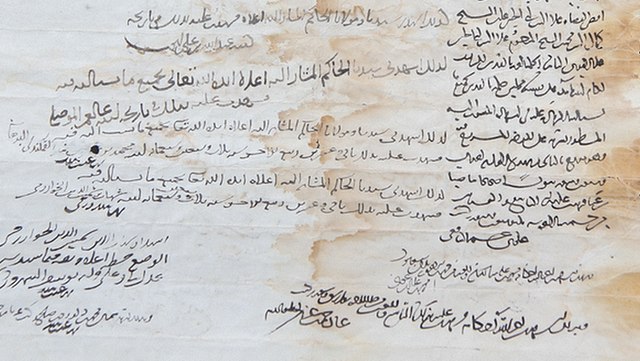
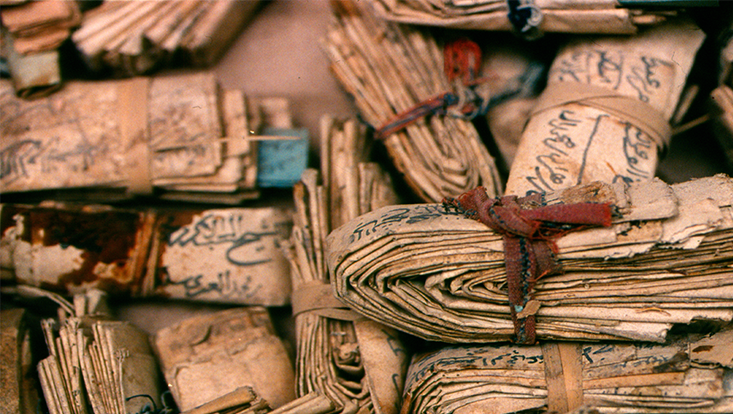
Documents in an private archive, Oman, 2000s

Research Field E

Written artefacts hardly ever come alone. In most cases, they are part of collections that occupy delimited spaces: a box, a folder, a niche in a wall, a shelf, a room, or a separate building. Written artefacts are continuously archived and (re-)archiving is a constitutive element in almost any manuscript culture. ‘Archiving Artefacts’ takes a global perspective on the archiving of written artefacts on a comprehensive scale in order to connect the various discipline-specific traditions that have emerged as a result of the ‘archival turn’. To enable this conversation across regions and periods, we focus on archival practices as processes rather than on archives as institutions. In turn, we account for the fact that collections of written artefacts are inherently instable and manuscripts are continuously on the move. Such a global perspective is particularly appropriate at a moment when, all across the globe, wider public attention is being given to the cultural and legal ambiguities of manuscript collections (in particular with reference to provenance) and the political hazards of manuscript preservation (in particular with reference to cultural heritage).

Archiving too often is seen simply as a self-evident pragmatic activity. To balance this view, and appreciate the full complexity of archiving as cultural processes, the Research Field ‘Archiving Artefacts’ addresses questions like, What technical, spatial, and material options were and are available for archiving, and why were specific solutions chosen? In which ways were and are archival practices embedded in cultural, social and political contexts? Addressing these questions will lead to a better understanding of how archiving affects the cultural impact of writing. Furthermore, the growing presence of digital archives calls for a broad analysis of archival practices in order to further a better understanding of the specific opportunities and challenges provided by new technologies.

Spokesperson: Matteo Nanni

Research Projects

RFE03
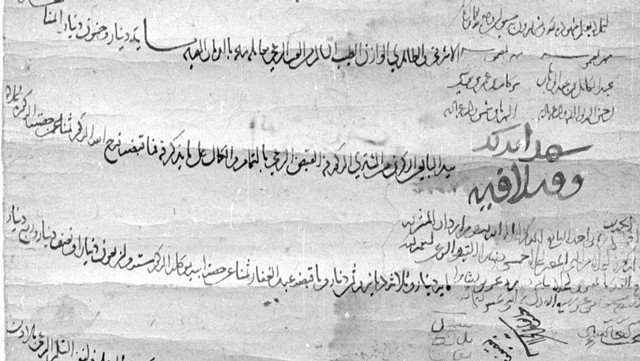
Documentary Practice and Society in Late-Medieval and Early-Modern Cairo
A Corpus of Arabic Documents from the Qaraite Jewish Community


RFE04
Archives and Literacy in Second Millenium Assyrian Manuscript Culture


RFE05
Choreographies of Archiving
A Cross-Cultural Study of Archiving Practices in Contemporary Dance


RFE06
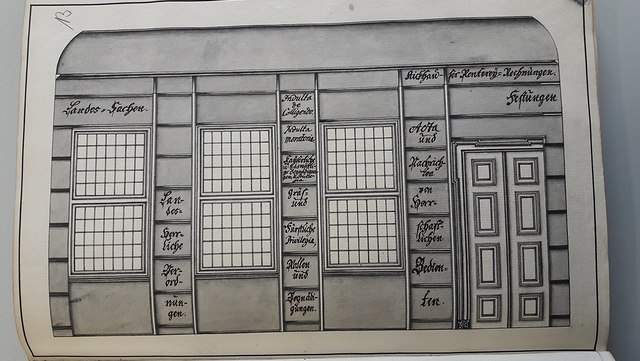
Buildings, Rooms, and Furniture: Material and Spatial Dimensions of Early Modern European Archives


RFE07
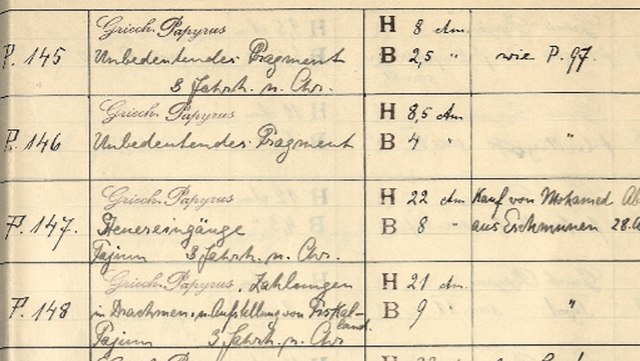
Colonized Manuscripts: The Provenance of Hamburg's Papyrus Collection
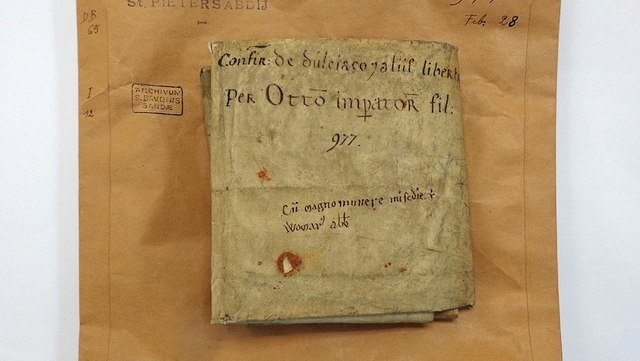


RFE08
From Instrument to Document
The Afterlife of Medieval Charters in Archives



RFE09
Bookbinding as Archival Instruments
Defining, Ordering and Transmitting Knowledge in Christian Egypt (4th - 12th Centuries)


RFE10
Wandering Artefacts: The Materialistic History of German-Jewish Archives
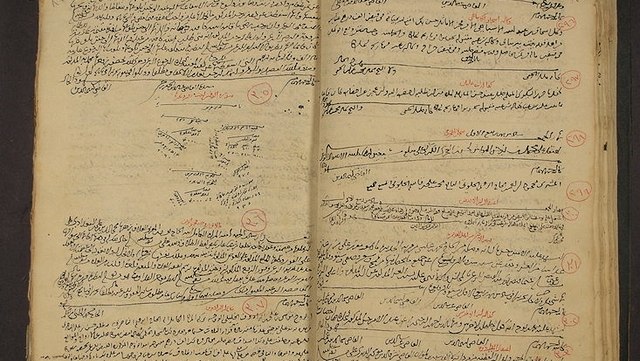


RFE11
Personal Record-Keeping Among Medieval Islamic Scholars
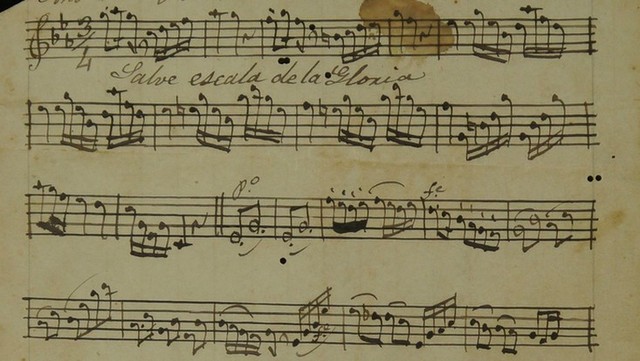

RFE12
Archiving Colonialism: The Collections of Musical Manuscripts from Peru



RFE13
Beyond Hebraism: Hebrew Manuscripts in a Late Medieval Monastic Setting
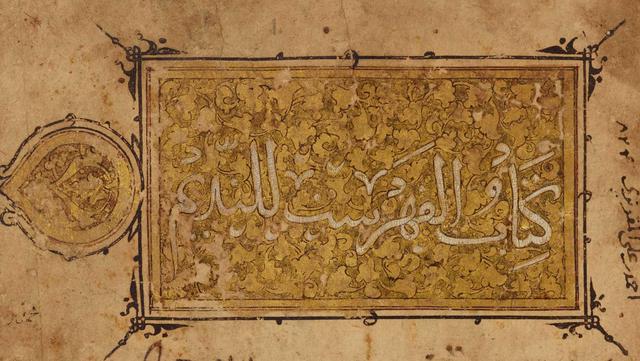


RFE14
Reading the Scholarly Archive in Pre-Ottoman Arabic Middle East


RFE15
Local Archives abd Administrative Practices of Eastern Han China: Discarded Documents in Ancient Wells and Storage Pits


RFE16
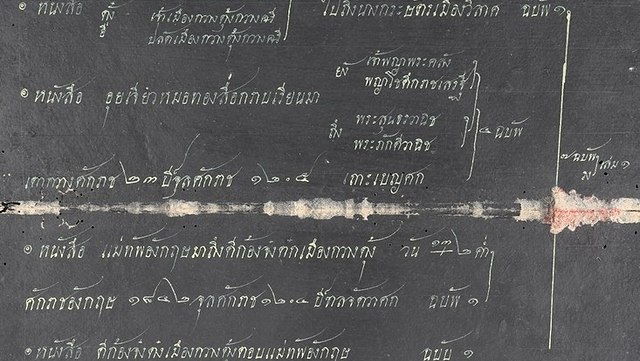
Royal Scribes and Written Artefacts: Writing Culture of the Thai Royal Court through th Archives of Royal Scribes


RFE17
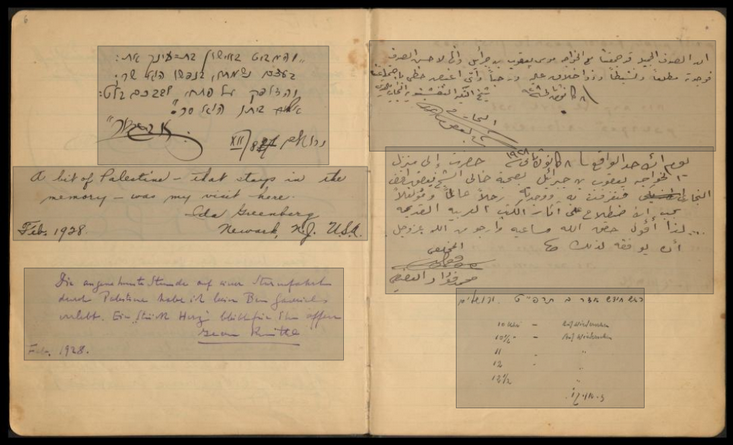
Traces of Polycentric Archival Practices in the Ḥaram al-Sharīf Corpus


RFE18
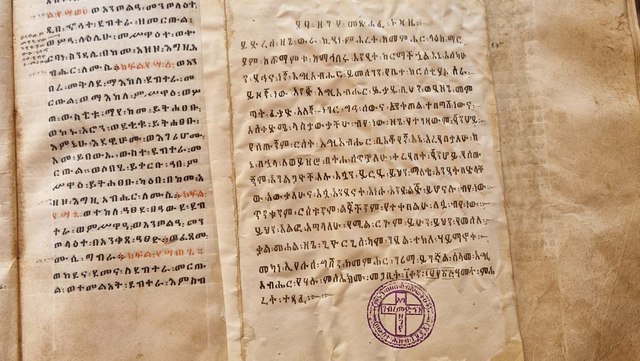
Archival Practices and Preservation Methods in Ethiopian Manuscript Tradition


RFE19
Copies as Mediation devices: Replicas of Mesoamerican Manuscripts and the Production of Knowledge (1859 - 1910)


RFE20
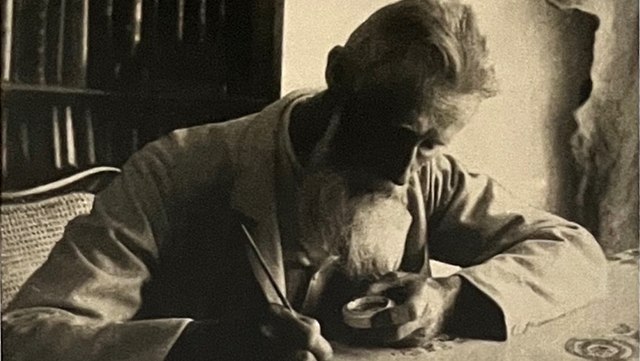
Reconstructing the Library of Dabra Ḥayq ʾƎsṭifānos: A Study of Ethiopic Book Lists and Manuscripts


RFE21
Archival Practices in Ancient Iraq


RFE22
A Fresh Look. Visualising Digitised German-Jewish Archives

Research Outputs

Overview of publications in Research Field E

  • UWA 2019–2025

Last update: 9 January 2024

  • Feedback
  • Legal notice
  • Privacy statement
  • Accessibility
  • Site map

University of Hamburg

Innovating and Cooperating for a Sustainable Future in a Digital Age

  • Follow us on Instagram.
  • Follow us on Facebook.
  • Connect with us on LinkedIn.
  • Follow us on Mastodon.
  • Follow us on Bluesky.
  • Subscribe to our channel on YouTube.
    • Studies
    • Prospective students
    • Continuing education
    • Research
    • Teaching at UHH
    • Doctoral studies
    • Job opportunities
    • Knowledge exchange
    • University
    • Excellence
    • Faculties
    • Alumni
    • Contact
    • Campus Navigator
    • UHHApp
    • Emergencies, safety and security
    • Antidiscrimination
Go to family-friendly higher education institution audit
Go to internationalisation re-audit
Go to the Sustainability Audit page
Go to Diversity Audit
Go to System accreditation

© 2026 University of Hamburg. All rights reserved