• Zur Metanavigation
  • Zur Hauptnavigation
  • Zur Suche
  • Zum Inhalt
  • Zur Subnavigation
  • Zum Seitenfuß
  • University of Hamburg
  • For journalists
  • Staff Service Portal0
  • STiNE
https://www.kus.uni-hamburg.de/aktuelles.json?recentnews=true
  • Institutions and target groups
    • Einrichtungen
      • Faculties

        • Faculty of Law
        • Faculty of Business, Economics and Social Sciences
        • Faculty of Medicine
        • Faculty of Education
        • Faculty of Humanities
        • Faculty of Mathematics, Informatics and Natural Sciences
        • Faculty of Psychology and Human Movement Science
        • University of Hamburg Business School
      • Services

        • Study Information Net STiNE
        • Surfmail
        • Exchange
        • Staff Service Portal
        • Learning Platforms
        • Katalogplus – Catalogue of Hamburg Libraries
        • SharePoint
      • Student facilities and services

        • Campus Center
        • Career Center
        • PIASTA
        • AStA (student council)
        • University Sports
        • University Music
        • Family Office
        • University Language Center
        • General Languages
        • Office of Affairs for Students with Disabilities or Chronic Diseases
        • Departmental libraries
        • Healthy Campus
      • Further facilities and services

        • The Cluster of Excellence CLICCS
        • The Cluster of Excellence CUI
        • The Cluster of Excellence Quantum Universe
        • The Cluster of Excellence Understanding Written Artefacts
        • Hamburg Research Academy
        • Pier Plus
        • Hamburg Center for University Teaching and Learning (HUL)
        • Hub for Crossdisciplinary Learning (HCL)
        • CEN
        • Museums and collections
        • University Archives (in German)
        • Regional Computing Center (RRZ)
        • University Administration
        • Knowledge Exchange Agency
        • The Unikontor Shop (in German)
    • Target groups

      • Prospective students
      • Students
      • International prospective students
      • Young researchers
      • Researchers
      • Instructors
      • Staff
      • Prospective continuing education students
      • Alumni
      • Journalists
      • Refugees (in German only)
    Close
  • /sitemap.json
University of Hamburg - to research, to teach, to educate and form, to homepage

CSMC

CSMCCentre for the Study of Manuscript Cultures
  • About
    • People
    • News
    • Ethics
    • Equity & Diversity
    • Sustainability
    • Logbook: The CSMC Blog
    • Contact & Newsletter
    • Vacant Positions
    • Intranet
  • Research
    • Concepts & Methods Units
    • Project Groups
    • Individual Research Projects
    • Working Groups
    • Affiliated Projects
    • Fellowships
    • Research Events
    • UWA I (2019–2025)
    • SFB (2012–2020)
  • Core Units
    • Laboratories
    • Graduate School
    • Cultural Heritage
    • Library
  • Collaboration
    • with Research Partners
    • with Archives, Libraries, and Museums
    • with Artists
    • with Companies
    • with Schools
    • within the HALM and PIER Networks
  • Publications
    • manuscript cultures
    • Studies in Manuscript Cultures
    • Occasional Papers
    • Software
    • Research Data and Information Systems
    • Written Artefact Profiling Guide
    • Artefact of the Month
    • Mesopotamian Bulletins
    • Videos
    • More Publications

Photo: CSMC

  1. UHH
  2. CSMC
  3. UWA 2019–2025
  4. Research Fields
  5. Research Field K: Selecting Materials

Selecting Materials

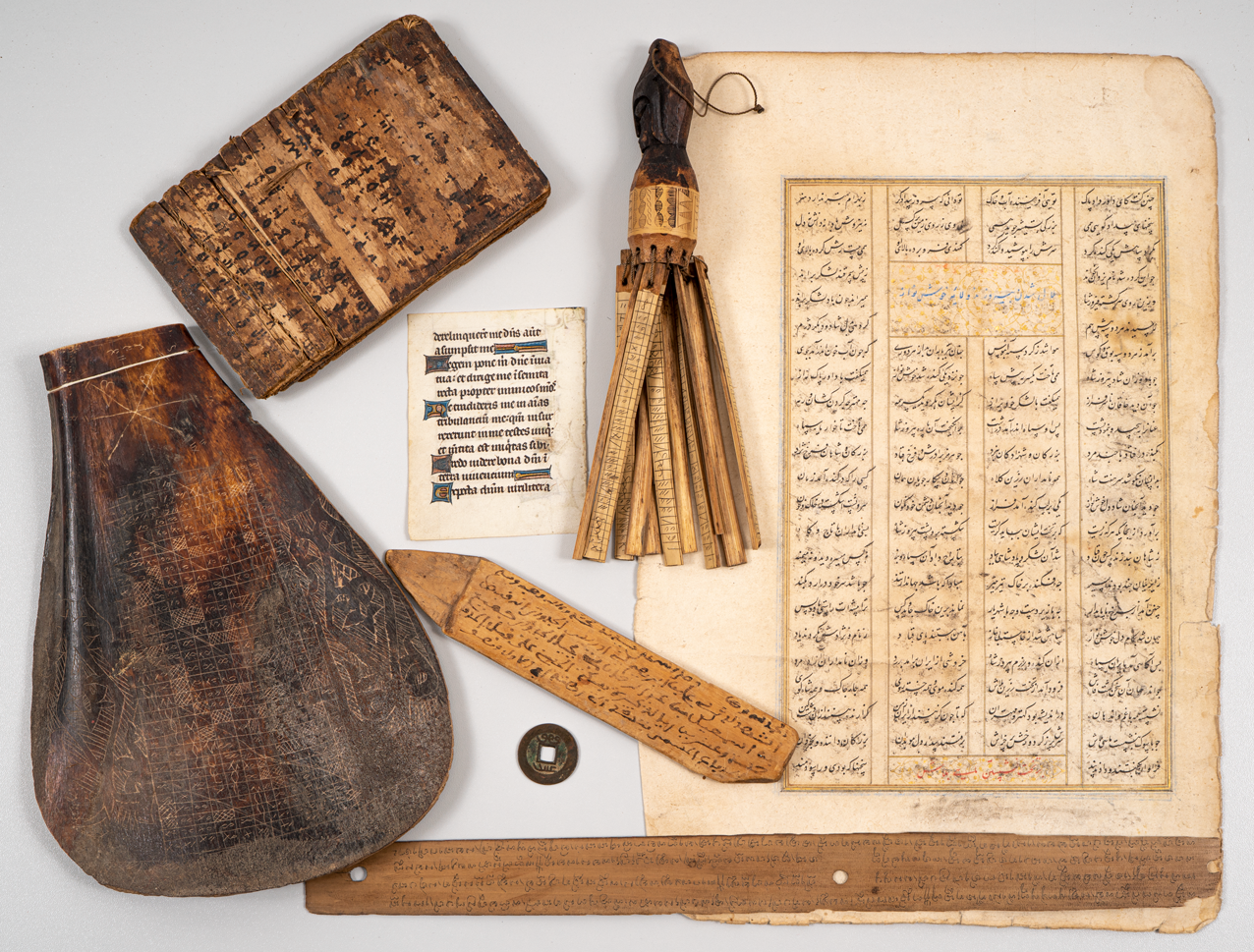
Written artefacts on various supports from different cultures and times, CSMC Library and private collections. Photo: Karsten Helmholz

Research Field K

Various materials have been employed to produce written artefacts. The selection of these materials is not accidental but depends on several factors: the availability and costs of certain products, their quality and durability, but also the meaning and value that specific materials had for writers and patrons, and the traditions and norms of their society. These choices define written artefacts and at the same time affect their circulation, accessibility, and preservation.

‘Selecting Materials’ (Research Field K) comprised researchers from various disciplines, both from the humanities and the natural sciences, bringing together a multitude of perspectives and aimed at comparatively investigating the options and choices involved in the selection of materials for creating written artefacts. Combining in-depth material, philological, and historical analysis on a set of case studies from different cultural contexts and periods, the group sought to determine the materials that were chosen to be used, to identify potential underlying patterns in these choices, and to understand the reasons behind them, as well as the consequences they had for the preservation and circulation of the artefact.

The group met monthly organising thematic sessions, including a study day, with presentations given by internal members and external guests (Dario Internullo, Theresa Zammit Lupi, Stephan Seifert) on various case studies, highlighting the multidisciplinary vocation of the research field.

RFK also participated in joint events with other Research fields (‘Inscribing Spaces’, ‘Exploring Multilingual Artefacts’) and co-organised the workshop ‘Facing new materials: changes of writing substances, implements and supports in manuscript cultures’ with the ‘Facing New Technologies’ working group.

The synergy created through these coordinated activities and cross-group collaborations culminated in the publication of the CSMC Occasional Paper No. 10, providing the methodological framework for our approach (Towards the Investigation of Material Choices in Written Artefacts: Methodological Reflections) and laid the foundations for the development of the Concept and Method Unit ‘Material choices’ (CMU1) in the second funding phase of the cluster.

Members of RFK also contributed significantly to the conceptualisation and compilation of the Written Artefacts Profiling Guide.

Spokespersons: Olivier Bonnerot and Claudia Colini


Events in cooperation with other Working Groups

  • participation in the workshop ‘Colors in Inscriptions’ organised by RFB (2022)
  • participation in the RFH session on Multilingual Written Artefacts (2023)
  • co-organisation with FNT of the workshop ‘Facing New Materials: Changes of Writing Substances, Implements and Supports in Manuscript Cultures’ (2024)

Other events with external guests

  • Study Day with invited talk given by Dario Internullo (‘Papyrus in the middle ages: insights, approaches, perspectives (5th–11th century)’) (2024)
  • Talk given by Theresa Zammit Lupi and roundtable on the material investigations of the Graz cartonnage a.k.a ‘Mummy book’ with the members of the Mobile Lab involved in the analyses (2025) (TV Documentary Shows Investigations into the ‘Mummy Book’)

Research Projects
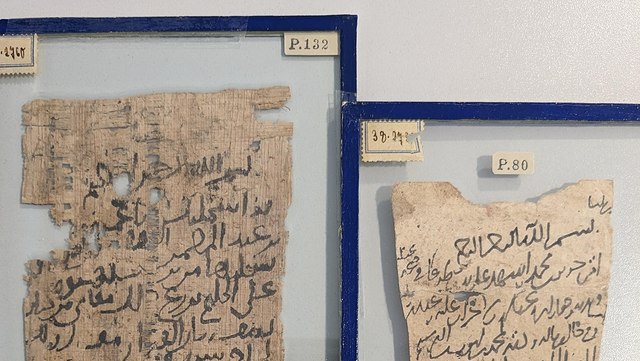

RFK01
The Scribe's Choice: Writing Supports in Arabic Documents of the Early Islamic Centuries
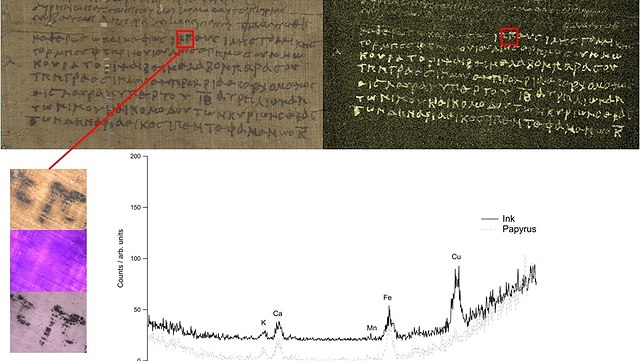


RFK02
From Carbon to Iron: Evolution of Greek Inks from Hellenistic Times to Late Antiquity
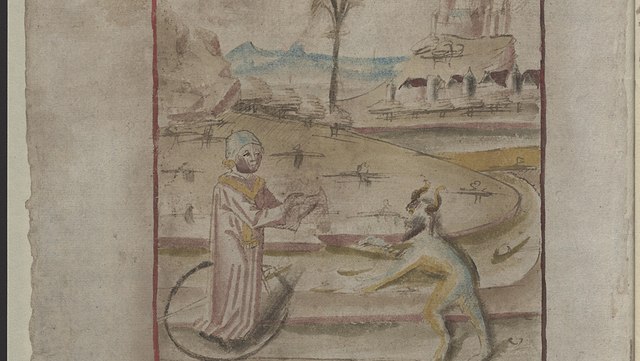


RFK03
Magical Written Artefacts in Late-Medieval German Instructional Literature
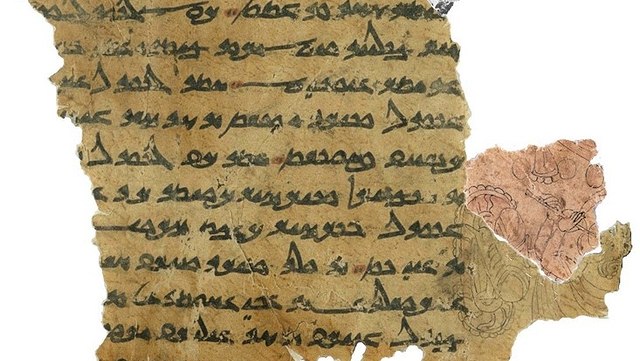


RFK04
Studies on the Middle Iranian Manuscript fragments in Sogdian Script in the Berlin Turfan Collection
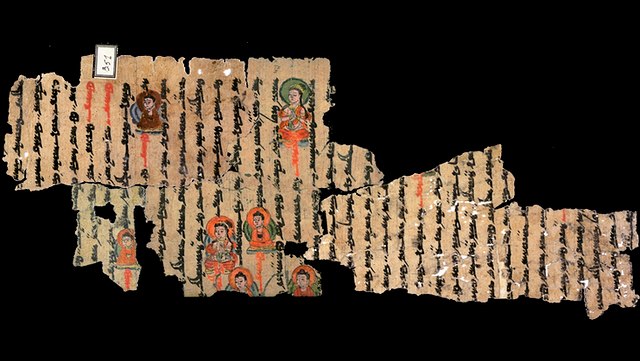
RFK05
Reconstructing the Scope of Old Uyghur Books Forms Based on the Handwritten Remains of Half a Mellenium of Literature: A Pilot Study Based on buddhist Manuscripts


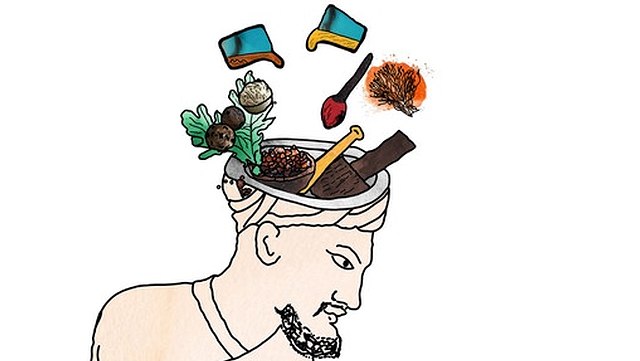
RFK06
What is in a Scribe's Mind and Inkwell: Archaeology of the Gotha Collection of Early Que'anic Manuscripts as a Case Study at the Intersection of Philology and Natural Sciences


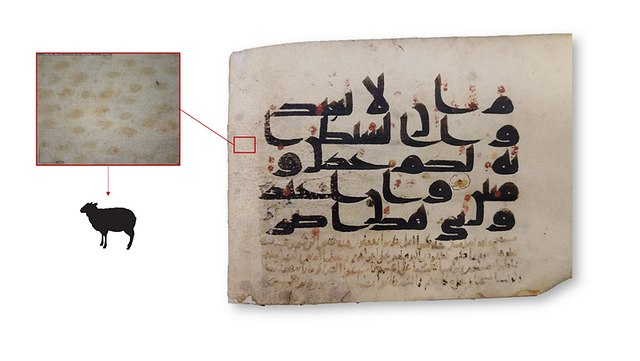
RFK07
The Use of Parchment in Arabic Manuscripts of the Early Islamic Centuries
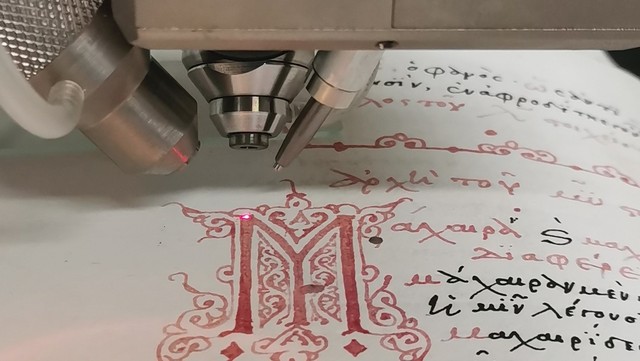


RFK08
On the Path of Ioannes Rhosos' Quill: Investigation of the Inks Used by the 15th Century Greek Calligrapher by Means of Reflectographic and Spectroscopic Analytical Methods

Research Outputs

Overview of publications in Research Field K

  • UWA 2019–2025

Last update: 5 November 2025

  • Feedback
  • Legal notice
  • Privacy statement
  • Accessibility
  • Site map

University of Hamburg

Innovating and Cooperating for a Sustainable Future in a Digital Age

  • Follow us on Instagram.
  • Follow us on Facebook.
  • Connect with us on LinkedIn.
  • Follow us on Mastodon.
  • Follow us on Bluesky.
  • Subscribe to our channel on YouTube.
    • Studies
    • Prospective students
    • Continuing education
    • Research
    • Teaching at UHH
    • Doctoral studies
    • Job opportunities
    • Knowledge exchange
    • University
    • Excellence
    • Faculties
    • Alumni
    • Contact
    • Campus Navigator
    • UHHApp
    • Emergencies, safety and security
    • Antidiscrimination
Go to family-friendly higher education institution audit
Go to internationalisation re-audit
Go to the Sustainability Audit page
Go to Diversity Audit
Go to System accreditation

© 2026 University of Hamburg. All rights reserved