Inscribing Spaces
Research Field B
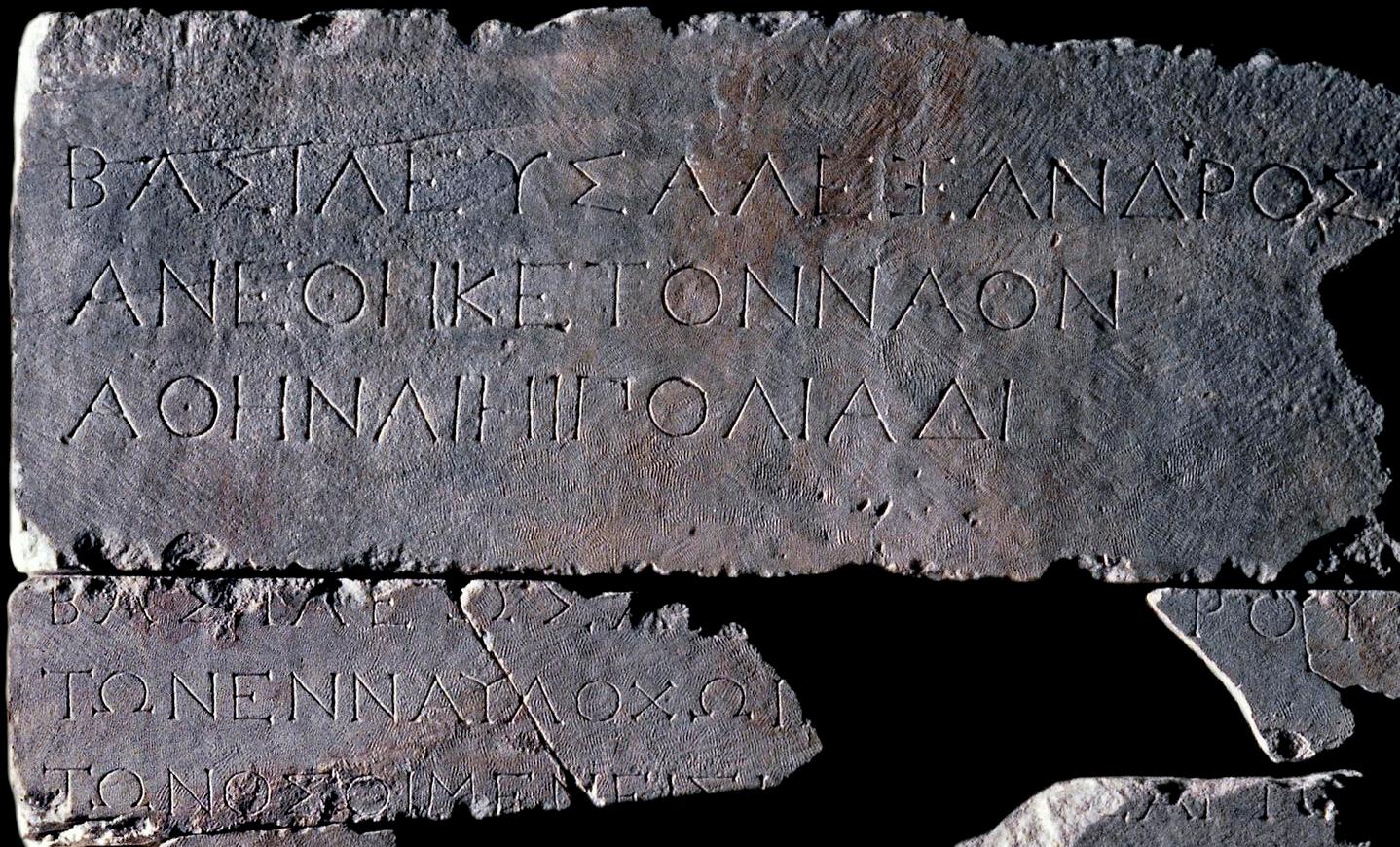
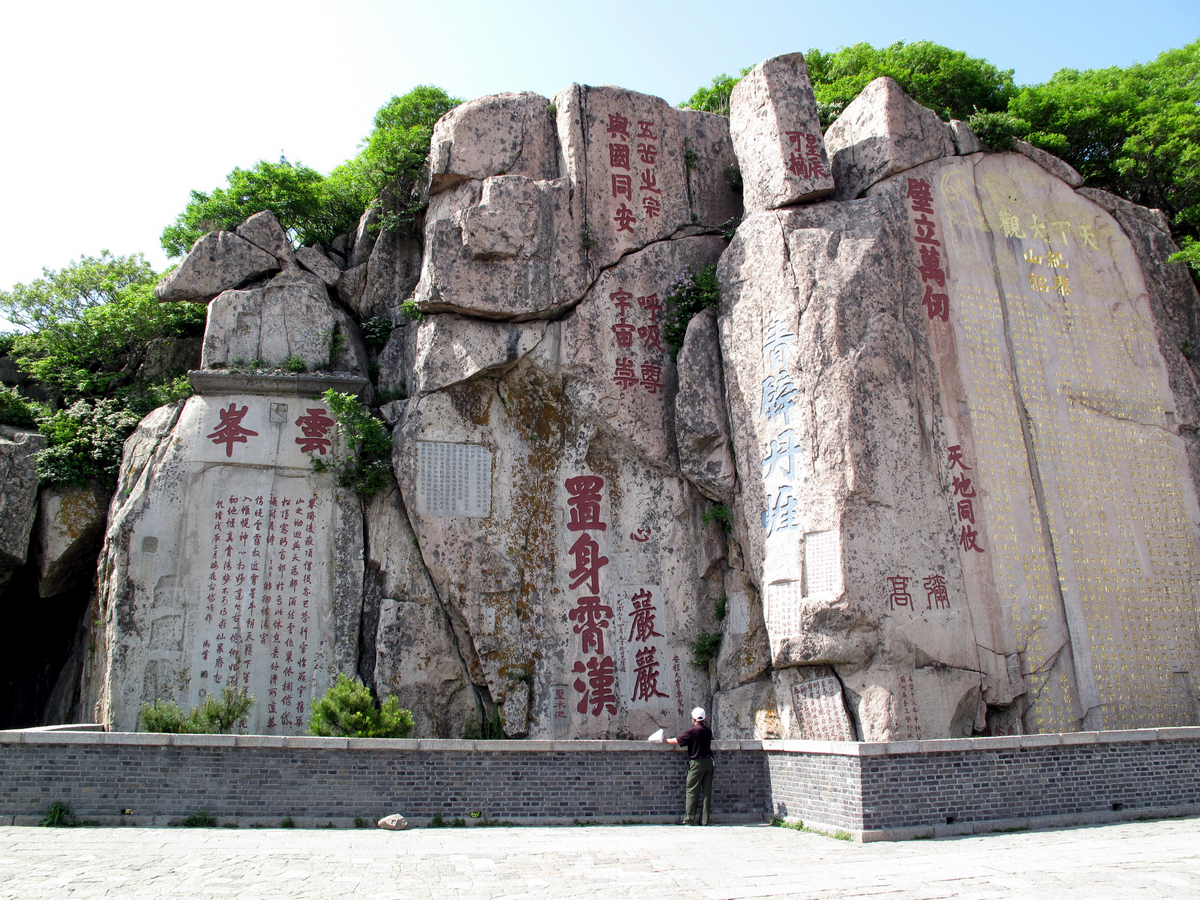
Inscriptions are omnipresent. They shape landscapes and cityscapes as well as interior spaces and include diverse artefacts ranging from calligraphic boards and inscribed vases to graffiti and advertisements to tombstones and monumental rock inscriptions. As written artefacts, they are produced to carry a message, with an adorning, defining, explaining, dedicating, or a structuring purpose. They consist of inorganic or organic materials such as metals, stones, ceramics, ivory, wood, and others. Whether advertising a bar, adorning a private study, or publishing a law, they are statements in space and structure space at the same time. Inscriptions reveal close relations to other written artefacts, as many, for example, were first drafted by hand; in East Asia, even cursive writing or pictorial elements were faithfully copied on stone or wood.
The Research Field ‘Inscribing Spaces’ studies inscriptions together with manuscripts – as written artefacts in their respective distribution of content and function that may vary according to region, time and practices.
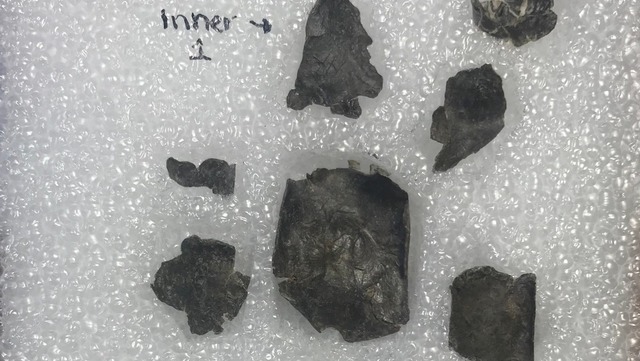
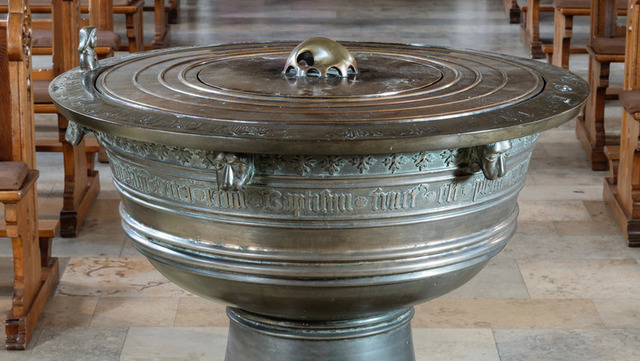
The enquiry concentrates on the one hand on materiality, which forms one of the starting points when determining the qualities of a written artefact. Several events have been devoted to exploring the variety of approaches to writing on different media traceable in various cultures across space and time from metal to organic materials. In particular, one of the main goals of the workshop on ‘Multilingualism in the Ancient Mediterranean and Beyond after Alexander the Great’ (2024) was to investigate how the interaction between different cultures shaped and transformed the materiality of the written production peculiar to the various domains of the immense empire created by Alexander the Great. In addition, various members of RFB have thoroughly explored the complex entanglement between writings and selected media/supports in their research projects. Sara Chiarini investigates the materiality of curse inscriptions in ancient Greece; Jochen Vennebusch explores the different functions of metal liturgical vessels and reliquaries artefacts in Medieval Europe; and Leah Mascia examines the interaction and interplay of different written artefacts in the funerary landscape of Roman Egypt.
Alongside materiality, the dimension of space is of utmost importance for inscriptions. Illustrative of the research developed on this aspect within RFB is the project ‘Immersive City Scripts’ stemming from years of archaeological investigations in the ancient city of Miletus in Asia Minor. This interdisciplinary project, which combines perspectives and methods of classical archaeology, ancient history, and human-computer interaction, aims to provide an ideal model for the transcultural and diachronic investigation of inscribed spaces. The central importance of space is also underlined by various of our research events over the last years, e.g. the workshops entitled ‘The Greco-Roman Theatre as Inscribed Space’ (2021) and ‘Inscribing Funerary Spaces’ (2023), whose proceedings will be published soon. Another exemplary result of our interdisciplinary research approach is a forthcoming monograph by Leah Mascia, who through the examination of the materiality and space of the written artefacts found in the ancient city of Oxyrhynchus (Egypt) has shed light on the transformation of its religious panorama at the rise of the Christian religion.
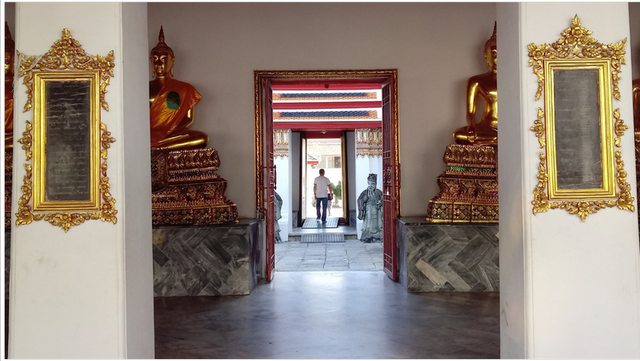
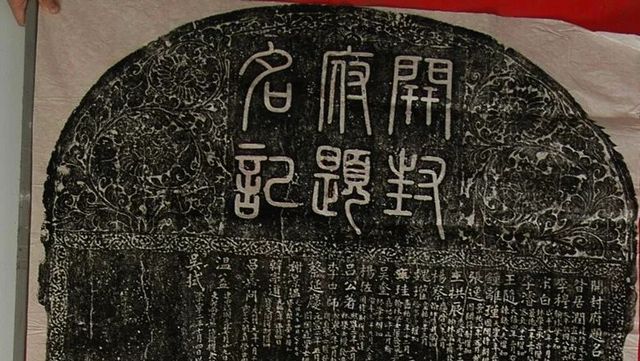
Inscriptions are three-dimensional objects that can be placed in the open or secluded in private spaces. Thus, focusing on the placement of the artefact, accessibility is relevant for the degree of restrictedness (‘public’ vs. ‘private’) and its readability. In their project ‘The presence of inscriptions in public life from 617 to 1276 CE in China’, Barend Ter Haar and Tianyu Shi explore the presence of inscriptions in China in different public spaces, from temples to rocks and mountains. Likewise, Kaja Harter and Jan Trosien have investigated the role played by inscriptions in shaping the urban landscape of ancient Athens. RFB is now turning the attention on how written artefacts shaped private settings; several events aimed at exploring inscribed domestic contexts across space and times are planned for the future.
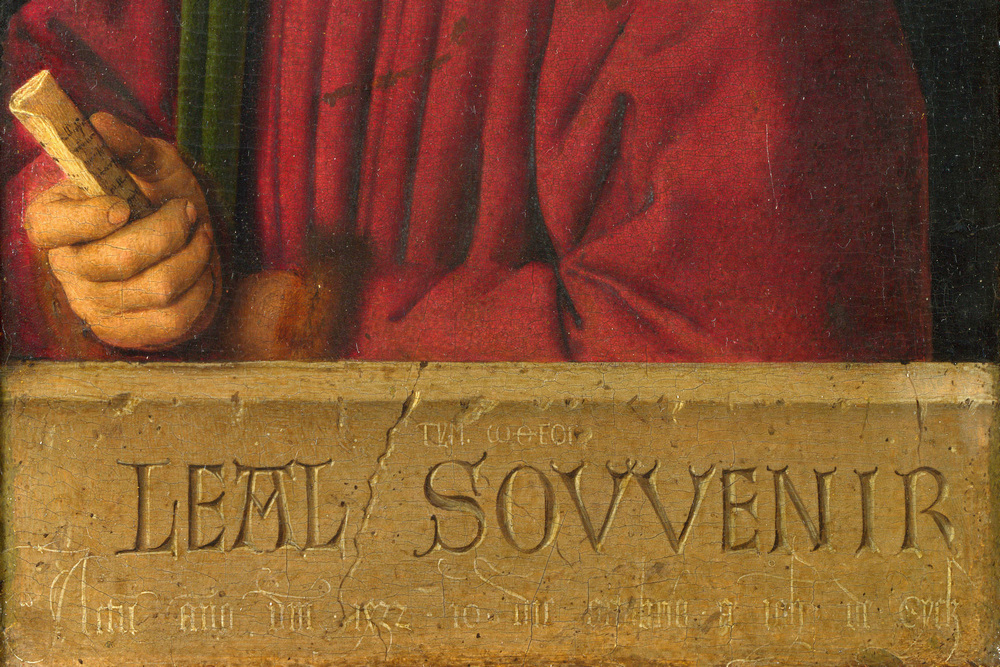
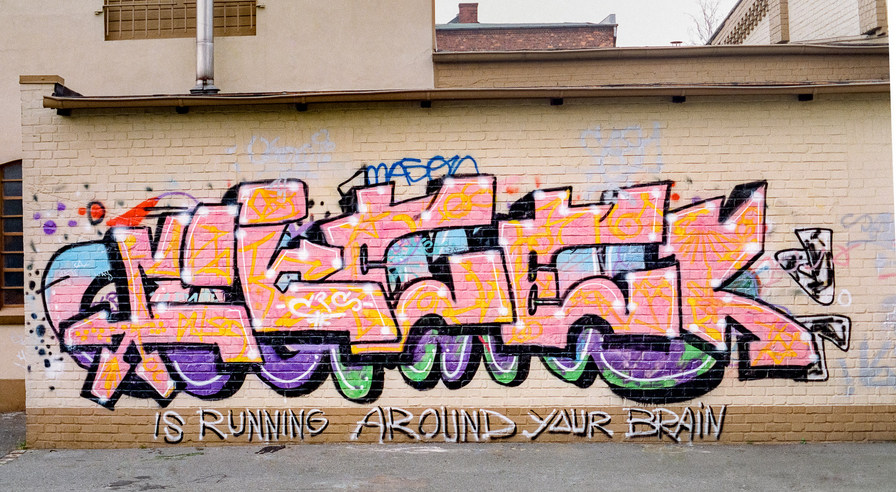
The visual organisation needs to be taken into account as well, analysing the connections and parallels to manuscripts. Often inscriptions form only a small part of a larger natural or man-made object. Thus, its relation to the surroundings is central for its interpretation. For instance, the workshop ‘Manuscripts at the service of epigraphy: Master copies, templates, and other exemplars in the production of pre-modern inscriptions’ (2021) was aimed to explore how inscriptions were produced on the basis of a manuscript exemplar (Vorlage) in different cultures. In her project on ‘Graffiti: Ephemeral Inscriptions in Urban Space’, Sanja Ewald devoted particular attention to the process of graffiti making from sketchbooks to writings across the city landscape. And Ondrej Skrabal has studied inscriptions cast or chiselled on mass-produced bronze weapons in Ancient China.
A key result of the research developed in RFB is the forthcoming publication of the Handbook of Epigraphic Cultures, edited by Kaja Harter Uibopuu, Ondrej Skrabal, and Jochen Vennebusch.
Spokesperson: Leah Mascia
Research Projects

RFB02
Immersive City Scripts: Inscriptions and the Construction of Social Spaces in Miletus (Asia Minor)
RFB05
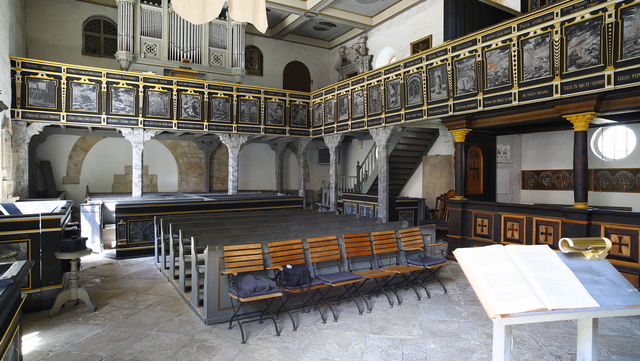
The Interior of the Church in Lucklum
A Compendium of Early Modern European Emblematics
RFB06
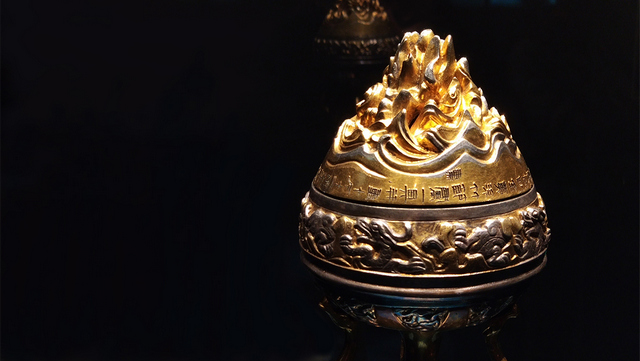
Bronze, Text, and State: Creating the Epigraphic Landscape in the Emerging Chinese Empire
RFB07
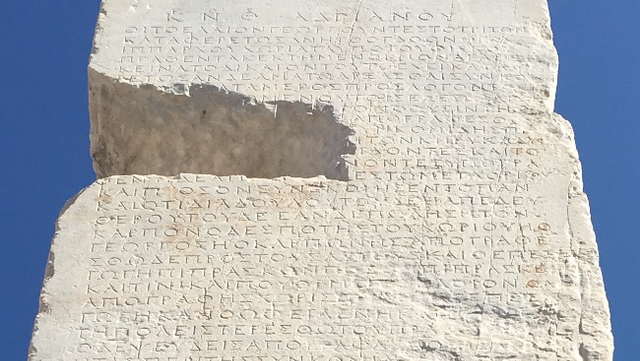
'Communicating' a 'Code of Conduct'?
Inscriptions Containing Legal Regulations in Ancient Athens
RFB08
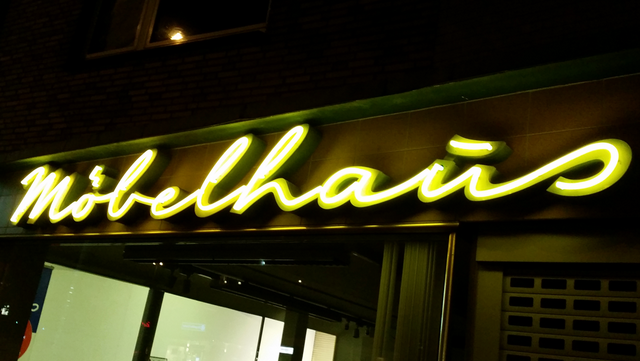
Lettering a Port City
Inscriptions of the 20th Century in Hamburg
RFB09
Graffiti: Ephemeral Inscriptions in Urban Space
RFB11
Epigraphies of the Corpus: Textual Negotiations of Sacred Power on Medieval Liturgical Artefacts
RFB12
The Presence of Inscriptions in Public Life from 617 to 1276 CE in China
RFB13
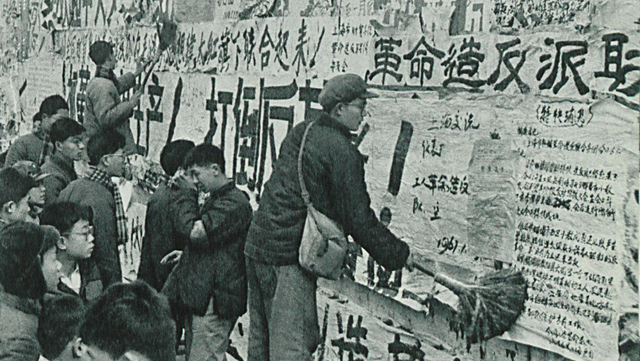
Bronze, Stone and Newspaper
The Materiality of Writing in Socialist China