• Zur Metanavigation
  • Zur Hauptnavigation
  • Zur Suche
  • Zum Inhalt
  • Zur Subnavigation
  • Zum Seitenfuß
  • University of Hamburg
  • For journalists
  • Staff Service Portal0
  • STiNE
https://www.kus.uni-hamburg.de/aktuelles.json?recentnews=true
  • Institutions and target groups
    • Einrichtungen
      • Faculties

        • Faculty of Law
        • Faculty of Business, Economics and Social Sciences
        • Faculty of Medicine
        • Faculty of Education
        • Faculty of Humanities
        • Faculty of Mathematics, Informatics and Natural Sciences
        • Faculty of Psychology and Human Movement Science
        • University of Hamburg Business School
      • Services

        • Study Information Net STiNE
        • Surfmail
        • Exchange
        • Staff Service Portal
        • Learning Platforms
        • Katalogplus – Catalogue of Hamburg Libraries
        • SharePoint
      • Student facilities and services

        • Campus Center
        • Career Center
        • PIASTA
        • AStA (student council)
        • University Sports
        • University Music
        • Family Office
        • University Language Center
        • General Languages
        • Office of Affairs for Students with Disabilities or Chronic Diseases
        • Departmental libraries
        • Healthy Campus
      • Further facilities and services

        • The Cluster of Excellence CLICCS
        • The Cluster of Excellence CUI
        • The Cluster of Excellence Quantum Universe
        • The Cluster of Excellence Understanding Written Artefacts
        • Hamburg Research Academy
        • Pier Plus
        • Hamburg Center for University Teaching and Learning (HUL)
        • Hub for Crossdisciplinary Learning (HCL)
        • CEN
        • Museums and collections
        • University Archives (in German)
        • Regional Computing Center (RRZ)
        • University Administration
        • Knowledge Exchange Agency
        • The Unikontor Shop (in German)
    • Target groups

      • Prospective students
      • Students
      • International prospective students
      • Young researchers
      • Researchers
      • Instructors
      • Staff
      • Prospective continuing education students
      • Alumni
      • Journalists
      • Refugees (in German only)
    Close
  • /sitemap.json
University of Hamburg - to research, to teach, to educate and form, to homepage

CSMC

CSMCCentre for the Study of Manuscript Cultures
  • About
    • People
    • News
    • Ethics
    • Equity & Diversity
    • Sustainability
    • Logbook: The CSMC Blog
    • Contact & Newsletter
    • Vacant Positions
    • Intranet
  • Research
    • Concepts & Methods Units
    • Project Groups
    • Individual Research Projects
    • Working Groups
    • Affiliated Projects
    • Fellowships
    • Research Events
    • UWA I (2019–2025)
    • SFB (2012–2020)
  • Core Units
    • Laboratories
    • Graduate School
    • Cultural Heritage
    • Library
  • Collaboration
    • with Research Partners
    • with Archives, Libraries, and Museums
    • with Artists
    • with Companies
    • with Schools
    • within the HALM and PIER Networks
  • Publications
    • manuscript cultures
    • Studies in Manuscript Cultures
    • Occasional Papers
    • Software
    • Research Data and Information Systems
    • Written Artefact Profiling Guide
    • Artefact of the Month
    • Mesopotamian Bulletins
    • Videos
    • More Publications

Photo: CSMC

  1. UHH
  2. CSMC
  3. UWA 2019–2025
  4. Research Fields
  5. Research Field C: Creating Originals

Creating Originals

Research Field C

Every written artefact is unique. In many manuscript cultures, however, some written artefacts are assigned a special status, the status of an original. These objects are given a higher value in many different ways: they are collected, bought and sold at high prices, carefully preserved, treated with respect and even awe; they have great efficacy in legal, religious, economic, literary, and other contexts. Their special value may result from the materials employed, the special craftsmanship involved in their production, the person or persons responsible for them, or from the power associated with them. The numerous types include, among many others, autographs, art works, legal documents, letters, diaries, notes, test and experiment reports, and minutes and proceedings. As different as these types are, they all share a specific relationship between the object and the various parties involved in its production, use, and perception, i.e. the written artefact and the surrounding society.

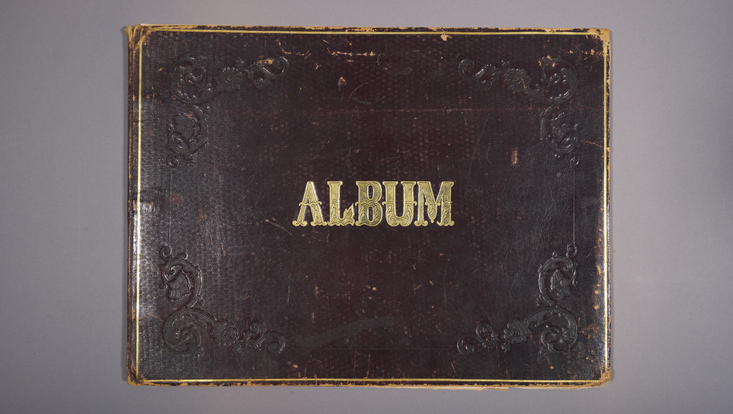
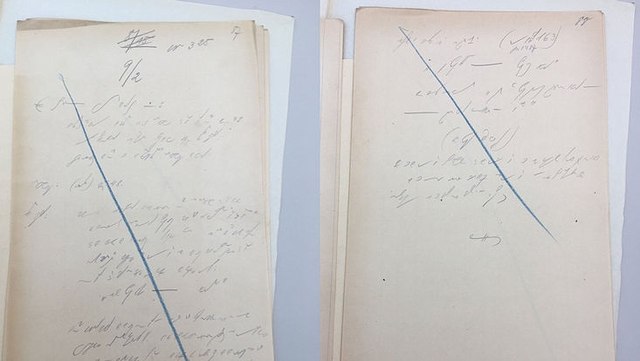
‘Creating Originals’ (Research Field C) is studying the role of the materiality of written artefacts within these relations, focusing especially on two different levels: the individual and the societal. Accordingly, the examination of originals in the field of personal written artefacts has been a central aspect of our work. Various types of personal manuscripts have been analysed, and this endeavor has, among others, led to two collected volumes. The first, Personal Manuscripts: Copying, Drafting, Taking Notes (edited by Jürgen Paul and David Durand-Guédy), offers a broad approach to manuscripts that were produced for the writer’s own use. A specific type of personal written artefacts is discussed in the volume Manuscript Albums and their Cultural Contexts. Collectors, Objects, and Practices (edited by Janine Droese and Janina Karolewski). Such albums are collections of handwritten or -drawn entries by others and thus offer special challenges for manuscriptological theories and terminologies. Second, we have been discussing the question of how different societies used different ways and tools for authenticating written artefacts. Two workshops explored various forms of legal authentication, first focusing on seals (organised by Claudia Colini and Philippe Depreux) and then on a wider range of practices such as copying or signing (organised by Hannah Boeddeker, Elsa Clavé, Claudia Colini, Michael Kohs, and Ulla Kypta). This focus is reflected, for example, in Hannah Boeddeker’s dissertation Parlamente schreiben: Stenographie, Protokoll und politische Kultur, completed in 2023, which deals with the history of parliamentary shorthand writing.

Bringing the two perspectives together, the group realised a joint publication addressing one of the central concepts of the research field: in Originators: Transformation and Collaboration in the Production of Original Written Artefacts we investigated the plurality of people who were relevant in producing an original, in other words, the originators. The volume comprises 13 case studies ranging from Mesopotamian cuneiform writing to modern dance, which show how diverse groups of people worked together to create an original.

During the discussions, it became clear that museums and collections as well as (scholarly) literature play a special role in the process of creating an original. The way in which written artefacts are presented reflects and at the same time shapes their perception and appreciation by the communities in which they are embedded. Therefore, further work focuses on investigating the way written artefacts are displayed and framed in places accessible to the public. In order to promote the exchange of knowledge, we work together with relevant museums in Hamburg.

Spokespersons: Ulla Kypta, Uta Lauer, Janine Droese

Research Projects


RFC02
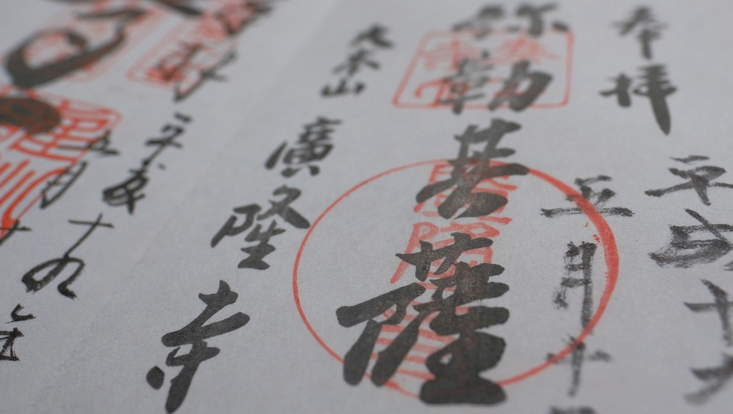
Valuating Handwriting in East Asia in the Digital Age: A Case Study in Japanese Calligraphy


RFC03
Originals Created by Copying
Letters from heaven and their Agency in Popular Religious Belief (15th-20th Century)


RFC04
Creating Music Albums as Originals Made of Originals


RFC05
Parliamentary Shorthand Writing as Material and Political Practice


RFC07
Multiplicities of Originals
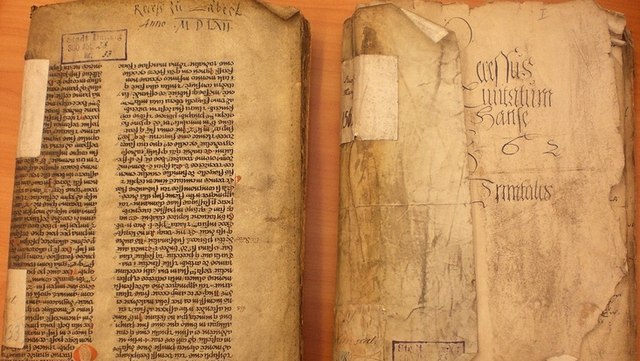
How the Manuscripts of Urban Meeting Records Were Used and Transformed (I)


RFC07
The Power of Originals: Manuscripts as Building Blocks of Political Cooperation in Early Modern Central Europe (II)


RFC08
Affirming Rights over Land and Resources: Originals and Authoritative Documents in the Legal Culture of the Malay Peninsula (c. 1780 – c. 1910)


RFC09
Echoes and Inscriptions: Art and Script in the Works of Artists in the Black Atlantic


RFC10
Flowers for Tamil Gods: Material Religion, Ephemeral Artefacts, and Texts


RFC11
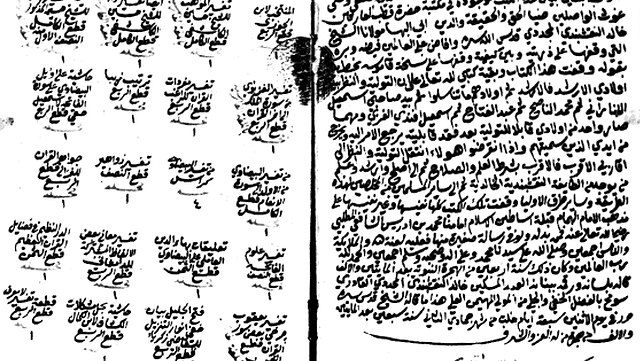
Beyond Text: Books as Social Artefacts in Early 19th-Century Damascus

RFC12
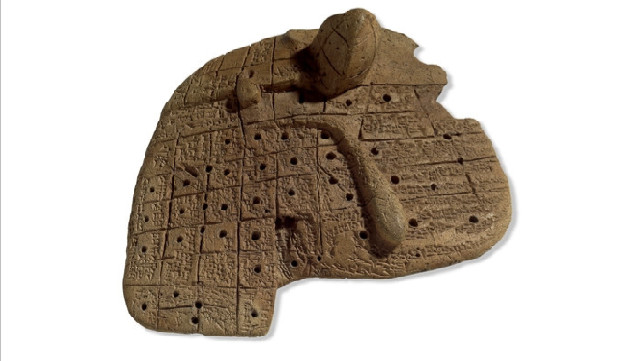
Sheep’s Liver as Written Artifact and the Oracle Lore

RFC14
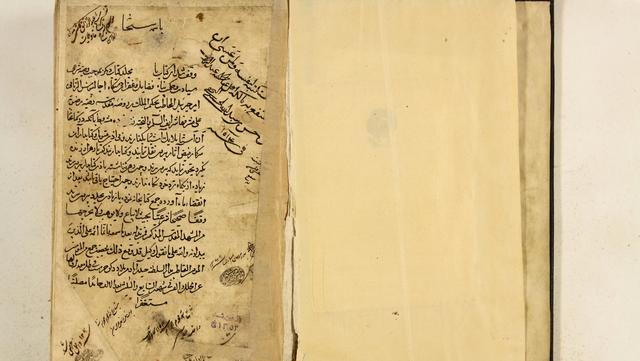
Material Mediums of Cultural Exchange: The Transfer of Books by Iranian Migrants in India to Safavid Iran through Endowment

Research Outputs

Overview of publications in Research Field C

  • UWA 2019–2025

Last update: 23 January 2025

  • Feedback
  • Legal notice
  • Privacy statement
  • Accessibility
  • Site map

University of Hamburg

Innovating and Cooperating for a Sustainable Future in a Digital Age

  • Follow us on Instagram.
  • Follow us on Facebook.
  • Connect with us on LinkedIn.
  • Follow us on Mastodon.
  • Follow us on Bluesky.
  • Subscribe to our channel on YouTube.
    • Studies
    • Prospective students
    • Continuing education
    • Research
    • Teaching at UHH
    • Doctoral studies
    • Job opportunities
    • Knowledge exchange
    • University
    • Excellence
    • Faculties
    • Alumni
    • Contact
    • Campus Navigator
    • UHHApp
    • Emergencies, safety and security
    • Antidiscrimination
Go to family-friendly higher education institution audit
Go to internationalisation re-audit
Go to the Sustainability Audit page
Go to Diversity Audit
Go to System accreditation

© 2026 University of Hamburg. All rights reserved