CSMC
CSMCCentre for the Study of Manuscript Cultures
Photo: UHH/Denstorf
9 May 2026
The Mesopotamians regularly questioned the origin of existence, whether it was the creation of human beings, the genesis of the universe, or the origins of supernatural creatures.
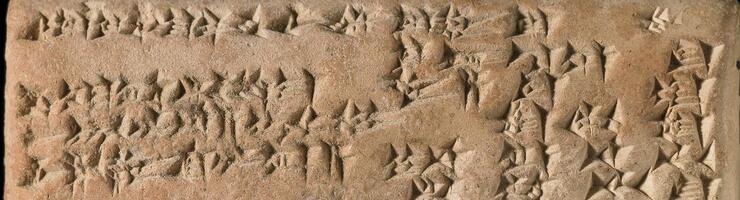
This quest took concrete form in numerous mythologies that describe the emergence of gods, the world, and human beings. Some stories even survive in simple incantations meant to cure an illness, such as a tooth abscess.
Theogonies address the coming into the world of the gods, creators of the universe and of humankind. Cosmogonies, particularly numerous, come from different mythological traditions that emphasise one deity or another organising the universe in different ways. For example, the Babylonian Epic of Creation (Enuma elish) attributes the creation of the world to Marduk, the god of Babylon, while other myths highlight Anu, the god of Heaven, Enlil, the god of the Wind, or Ea/Enki, the god of underground waters. The great astrology treatise, Enuma Anu Enlil, puts them to work in a triad to create the universe. These cosmogonic narratives are incorporated into many texts whose purpose is something entirely different: dialogues, poems, rituals, and even incantations.
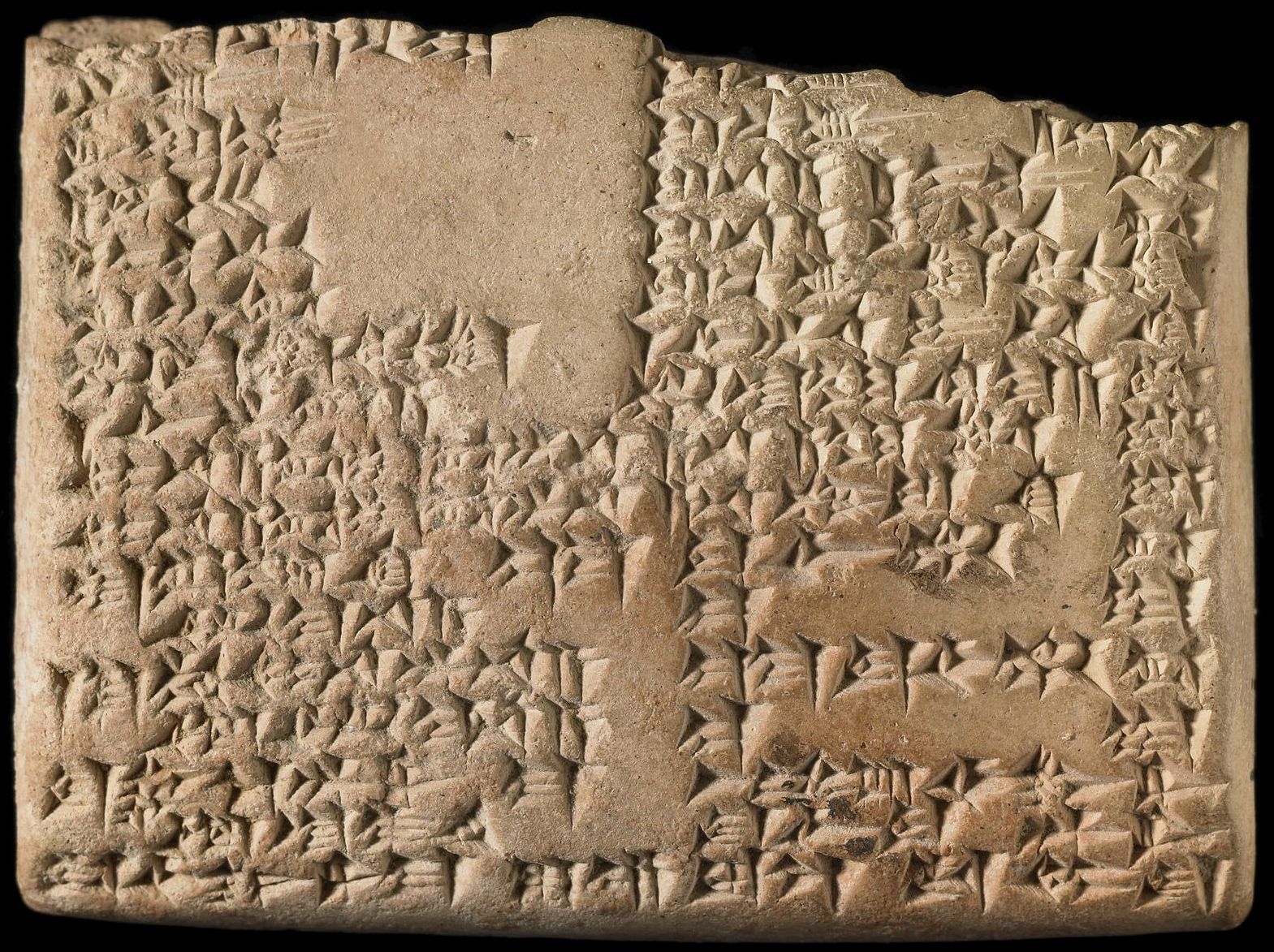
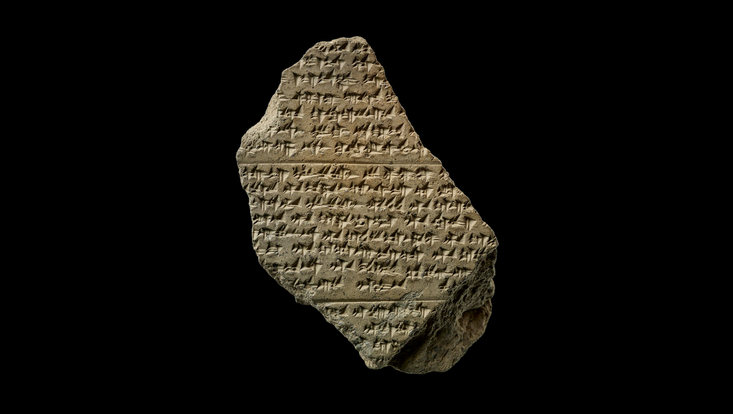
The incantation against toothache begins with a cosmogony. The oldest known copy, discovered at Mari on the Middle Euphrates, was written in Hurrian, a linguistic isolate spoken in northern Mesopotamia at the beginning of the 2nd millennium BCE. The incantation was recopied many times, and several Babylonian versions date to the first half of the 1st millennium BCE.
When Anu had created the sky,
when the sky had created the earth,
when the earth had created the rivers,
when the rivers had created the canals,
when the canals had created the silt,
when the silt had created the worm,
the worm came weeping before Shamash,
before Ea, its tears flowed.
‘What will you give me to eat?
What will you give me to suck on?’
— ‘I will give you ripe figs and apples.’
‘And why would I want ripe figs and apples now?
Make me go up between the tooth and the gum, make me live there!
I want to suck the blood of the tooth,
and from the gum I want to chew its particles.’
Drive in a needle and catch the worm’s foot.
Since you have spoken thus, worm,
may Ea strike you with his powerful hand.
This is the incantation for tooth evil.
Its ritual: you mix together beer, a piece of malt, and oil.
You recite the incantation three times over the mixture and place it on the tooth.
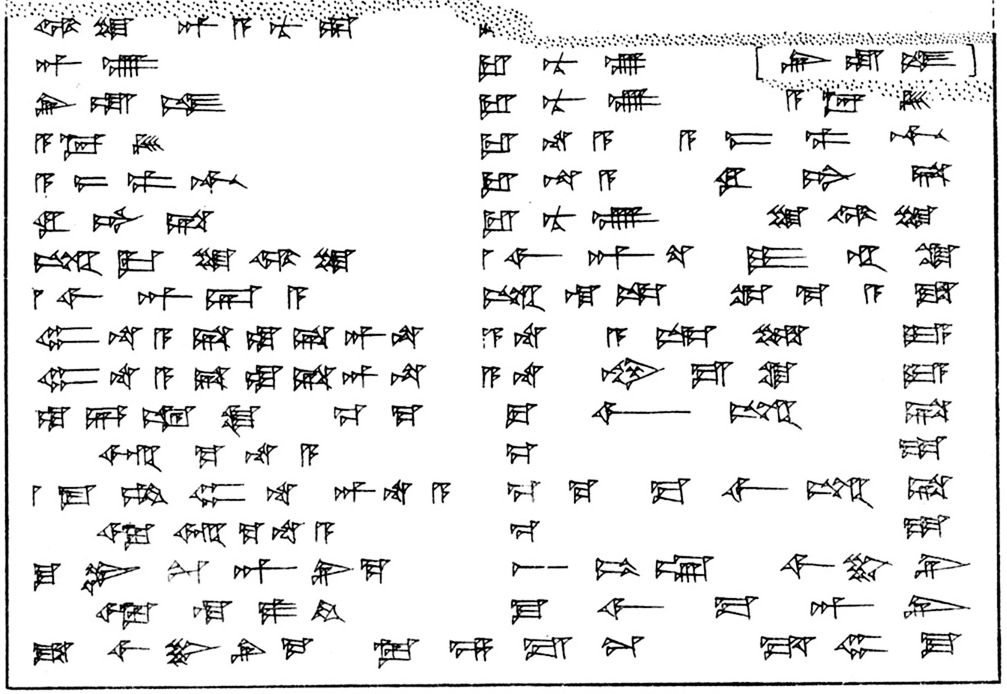
After Anu conceived the Sky, we then see a successive generation of the elements that make up the earth, each creating the next in a linear sequence, ending with the worm, namely the nerve of the tooth that causes pain to the patient. The exorcist invokes Shamash, the Sun god, and Ea, so that they help neutralise the harmful worm by reminding it that its destiny is to devour ripe fruit. After reciting the incantation several times, the specialist performs the necessary gestures to extract the nerve and prepares an ointment to spread on the afflicted tooth.
So one must go back to the origin of the evil in order to heal it. Since the worm has deviated from the peaceful destiny assigned by Ea, turning instead against the man’s tooth, it becomes subject to the god’s anger, who decides to exterminate it. Even a simple incantation intended to cure a patient can reveal the richness of myths and ways of thinking of the inhabitants of ancient Mesopotamia.
You can listen to this incantation in Standard Babylonian read by George Heath-Whyte here.