CSMC
CSMCCentre for the Study of Manuscript Cultures
Photo: UHH/Denstorf
19 April 2026
Shalimma lived 4,000 years ago in Assur, in northern Iraq, south of what is now Mosul. She belonged to a family of Assyrian merchants engaged in long-distance trade.
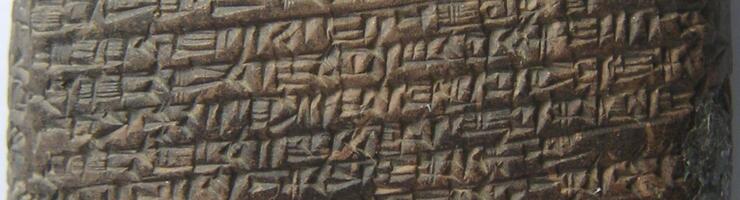
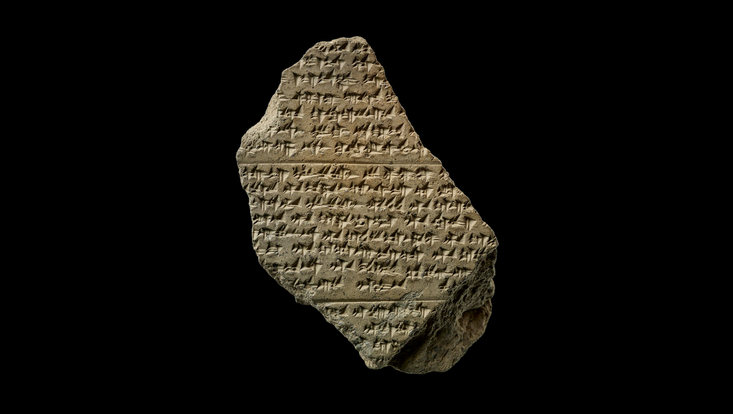
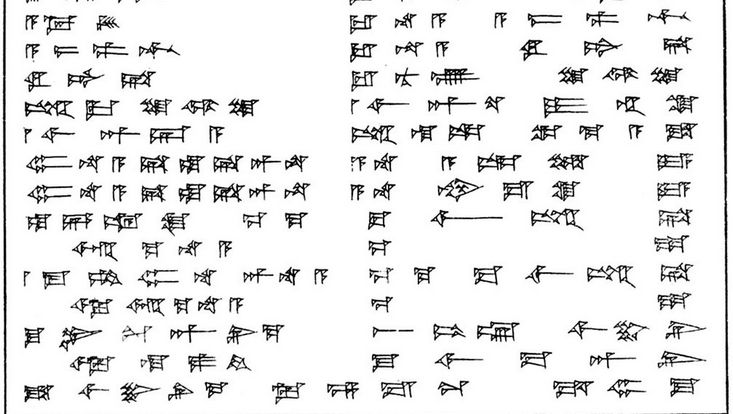
Her parents, Elamma and Lamassatum, settled in Kültepe, ancient Kanesh, near Kayseri, at the heart of the network of Assyrian trading outposts in central Anatolia. From their house, archaeologists unearthed several hundred cuneiform tablets belonging to the family archive, which make it possible to trace episodes from Shalimma’s life.
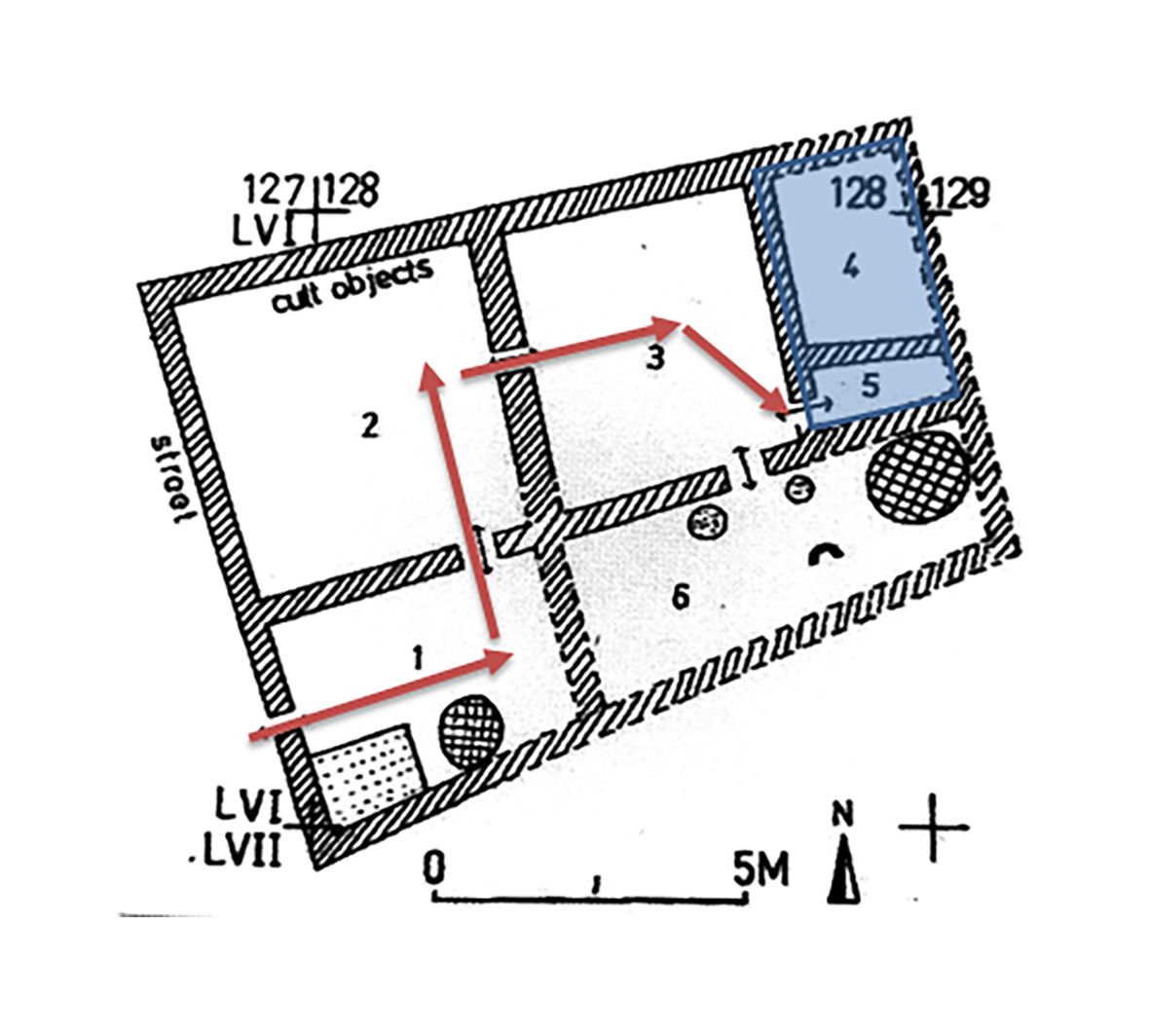
This house, built in the lower part of Kanesh, covers 130 square metres and is divided into six rooms, including a large kitchen with an iron horseshoe-shaped hearth. Adjoining the kitchen are two storage rooms in which the tablets had been sorted into various containers.
Lamassatum was Elamma’s second wife, and the couple had six sons and at least two daughters. They had about ten enslaved people at their service, men and women, while the women helped Lamassatum with domestic tasks. The couple’s two daughters remained in Assur. The elder, Ummi-Ishhara, was dedicated to the god Assur and leads the life of a single woman without children; she manages the family’s affairs there and sends goods to Anatolia. Shalimma, on the other hand, is married to Ir’am-Assur, with whom she has two sons, Shu-Ishtar and Assur-imitti, and a daughter named Suhkana.
After her father’s death, Shalimma decides to go visit her mother and sets out on the long journey to Kanesh; it takes six weeks to cover the thousand kilometers separating the two cities, crossing steppe and mountains. She therefore leaves her family and leaves her young children in the care of her husband. But her absence drags on, and Ir’am-Assur is desperate to see her return home. Her sister, the priestess, who tries to maintain cohesion within the family, writes to her several times, urging her to come back and take care of her household again.
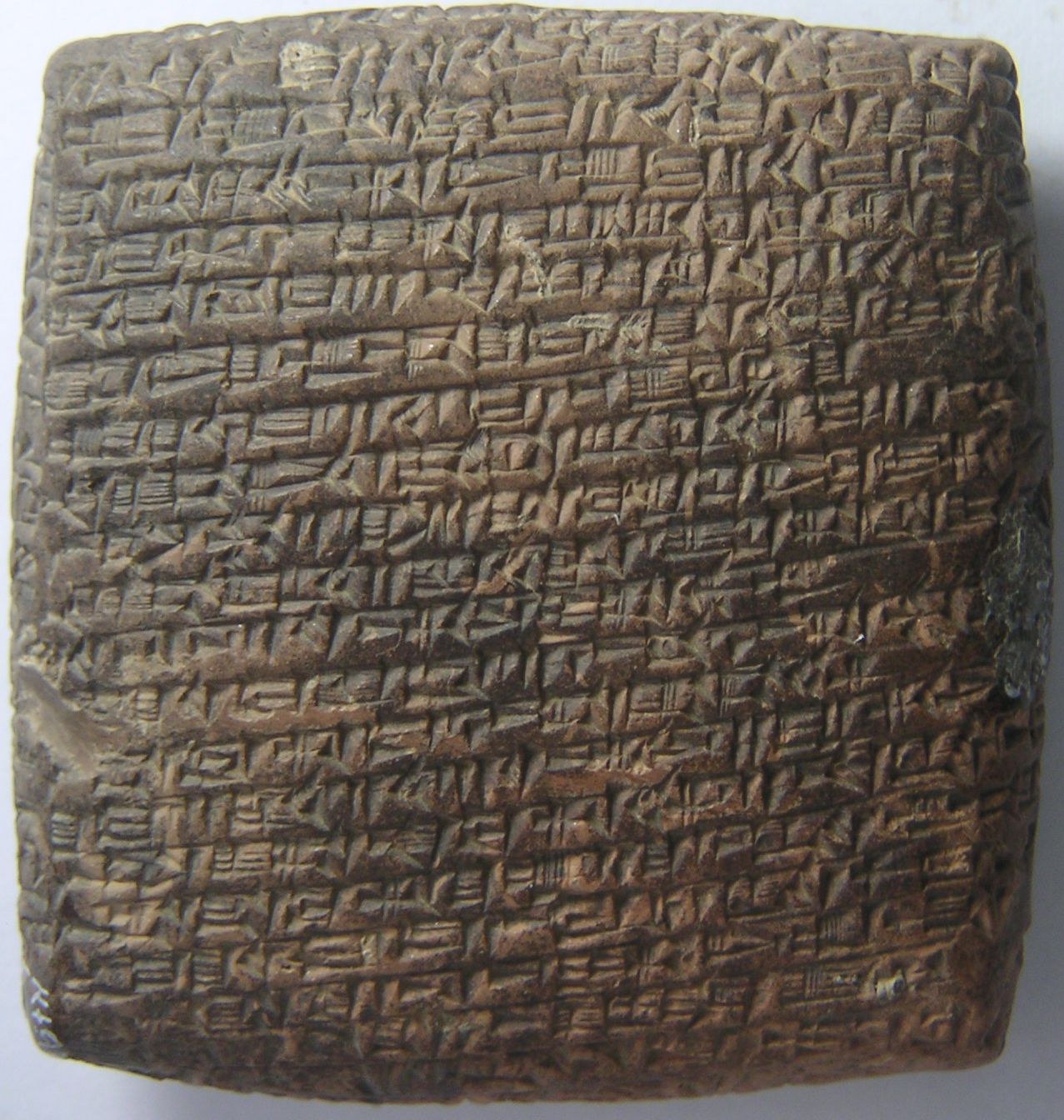
‘I spoke to your husband several times, but each time he got angry, saying: “I wrote to her several times, but she refused to come back home! What I could write now would go beyond all the letters I’ve already written and that she has received!” The man is now very annoyed by this affair and told me: “Since she refuses to return, you must no longer address me! If you really are my sister, stop writing me lies (…) Why do other people take care of your children and your house in Assur while you stay there in Kanesh? (…) Write to me if you are looking for another husband and are no longer taking care of yours, so that I can know. Otherwise, prepare yourself and come back here quickly. If you don’t come back here quickly, you will put me at odds with your husband and you will let your children waste away, and me. Never again will I mention your name! You will no longer be my sister, and you must never write to me again!”’
Despite this letter, Shalimma does not return to Assur and carries on business in Kanesh: she lends money to an Anatolian couple, buys an enslaved person, and even purchases a house from Assyrians for a little more than one kilogram of silver, receiving the deed of purchase as well as the earlier property titles in return.
It is not impossible that Ir’am-Assur eventually came to Kanesh himself to fetch his wife. He had a small house there, since he is required to travel for his business. Shalimma ultimately returned to Assur. Her daughter married; her sons became independent in commercial affairs and settled in Kanesh. Shalimma left archives there, and she wrote to her sons to collect a debt she needed in order
to have her debtor pay up. Nothing, however, is said about her husband, and we do not know whether the couple survived this crisis.
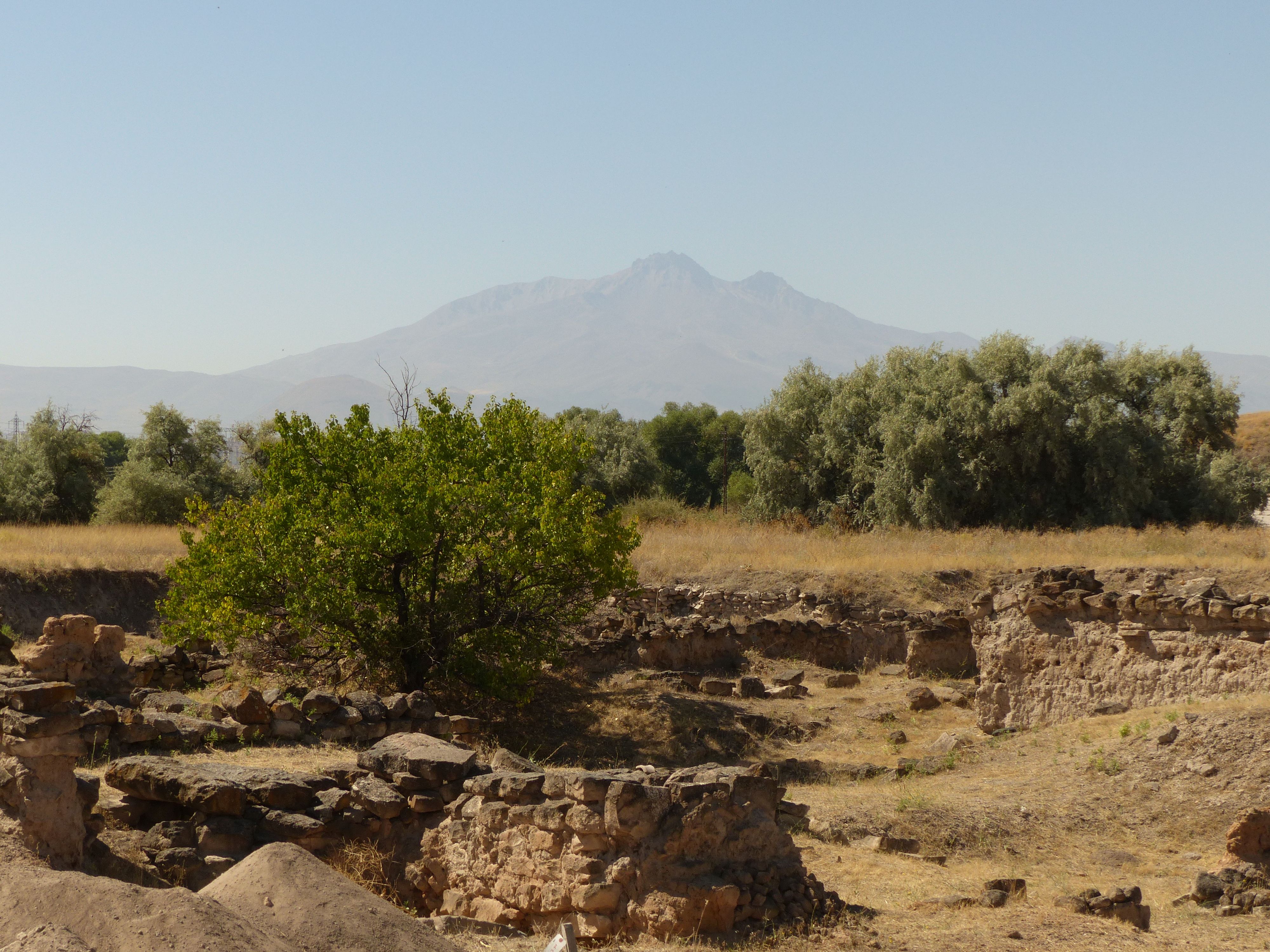
Shalimma therefore left her home in Assur, a modest-sized city perched on the edge of the Tigris in a relatively arid environment, to discover a large, lively city set in a green landscape at the foot of an old volcano with eternal snow. There, she experiences the life of an independent woman, who chooses to free herself from domestic tasks in order to devote herself to finance.
Shalimma’s story is not unique; it reflects the autonomy acquired by Assyrian women at the beginning of the 2nd millennium BCE. You can find her story in the chapter devoted to her sister Ummi-Ishhara in the book: Cécile Michel, Quand les femmes écrivaient l’histoire. Entre la Mésopotamie et l’Anatolie il y a 4000 ans, Paris, 2026, published by Éditions du Seuil. Based on the archives of the merchants of Kanesh, this book recounts the stories of 26 other women.