CSMC
CSMCCentre for the Study of Manuscript Cultures
Photo: UHH/Denstorf
19 October 2025
Lithotherapy – one of today’s forms of unconventional medicine – rests on the belief that crystals emit beneficial energy. This power attributed to stones goes back to the earliest antiquity. In the ancient Near East already, stones were credited with magical properties.
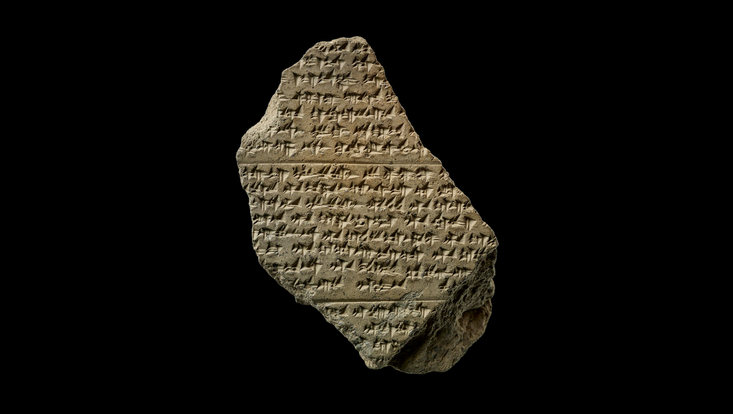
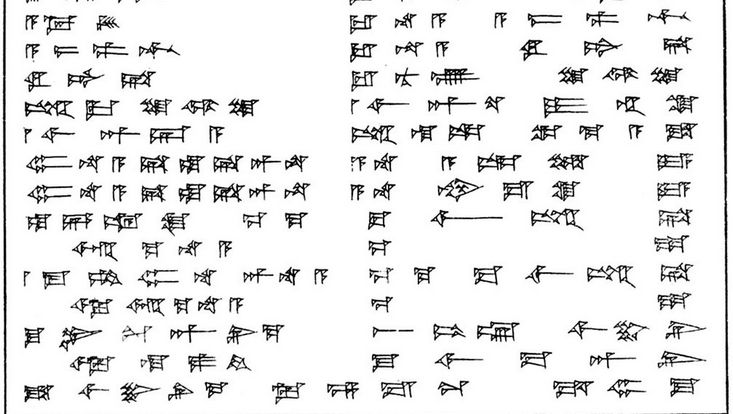
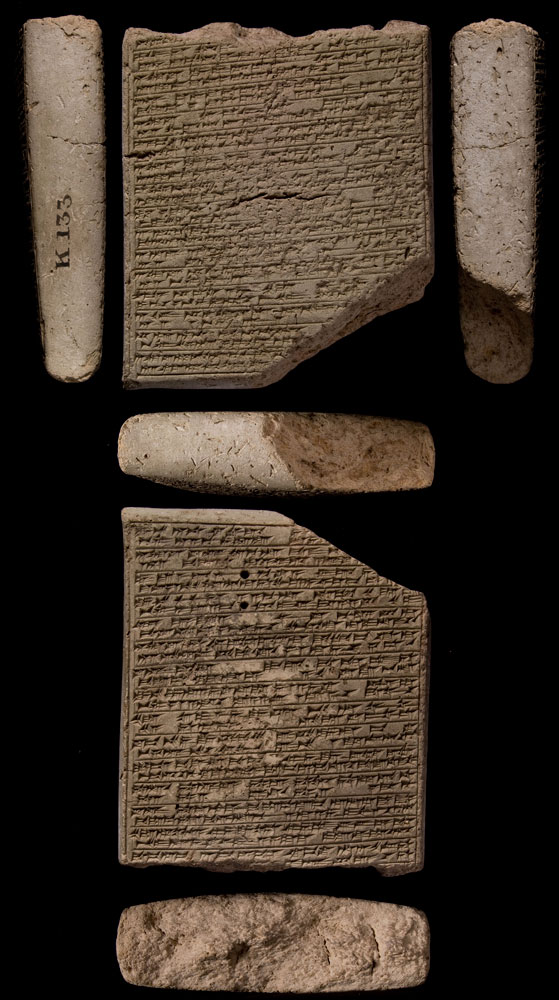
The etiological myth of Lugale, also known as Ninurta and the stones, explains certain magical properties of these stones. This Sumerian text of 729 lines, spread across 16 tablets, recounts the battle of Ninurta, the victorious god of War and Hunting, against the ‘barbarian’ mountain peoples to the east of Sumer, led by the cosmic demon Asakku. Composed in the second half of the 3rd millennium BCE, the work was translated into Akkadian and copied up until the end of the 1st millennium BCE.
A third of the literary composition (i.e. 230 lines) is taken up by a judgement of the stones, in which Ninurta, victorious in the confrontation, fixes the fate of the defeated peoples, who have now turned into fossils. Those who remained faithful to him become blessed stones with a glorious destiny as a reward. Those who rebelled are punished and transformed into cursed stones. They are assigned degrading and destructive uses, affecting themselves and others.
The cursed stones include lava, basalt, flint and corundum (also known as emery stone), which is considered the leader because it is the hardest of all the stones. The fate of corundum is to pierce and smooth down the other stones. In doing so, it gradually diminishes and self-destructs. ‘May your stature be diminished (…), may your brothers scatter you like flour (…), you will end up reduced by abrasion.’
The name of the stone appears to be fixed at that moment. In Akkadian, this stone is designated by the word šammum, derived from the verb šamāmum, meaning ‘to paralyse, to maim’. Corundum would thus be a stone that both mutilates and maims itself.
In fact, stones are often named according to their appearance or according to their use. Thus, flint is represented by the Sumerian logogram for ‘tooth’: it is a stone that bites. The very same sign is used in the Sumerian word ‘knife’. In Akkadian, the word for ‘knife’ is built on the verb ‘to split’, which refers to techniques for producing flint flakes. Now Ninurta, cursing flint, declares to it: ‘I will tear you apart like a sack; you will be split into small pieces; the stonecutter will take care of you, and he will split you with the chisel.’
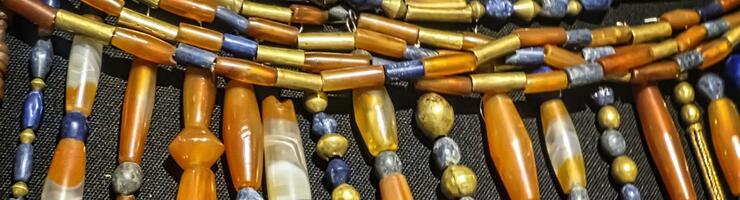
In contrast, the approximately 30 stones blessed by Ninurta are mostly semi-precious stones used for statuary and jewellery, or even for their supposed medicinal properties. Among them are, for example, lapis lazuli, carnelian, rock crystal, hematite, alabaster, or diorite. According to the Lugale, these stones will be ‘chosen for honey and wine! You all will be graciously adorned with precious metal.’
Amulets are necklaces made from stones with beneficial properties, intended to protect against certain illnesses or to place oneself under the protection of a particular deity. Pregnant women, for example, wear such talismans. Some stones also serve as ingredients: once ground, they are used in the preparation of a medicine or ointment.
However, the precise identification of these stones proves difficult, because their names refer more to their use than to their nature. This prevents any correspondence with our own mineralogical classification.