CSMC
CSMCCentre for the Study of Manuscript Cultures
Photo: UHH/Denstorf
12 September 2025
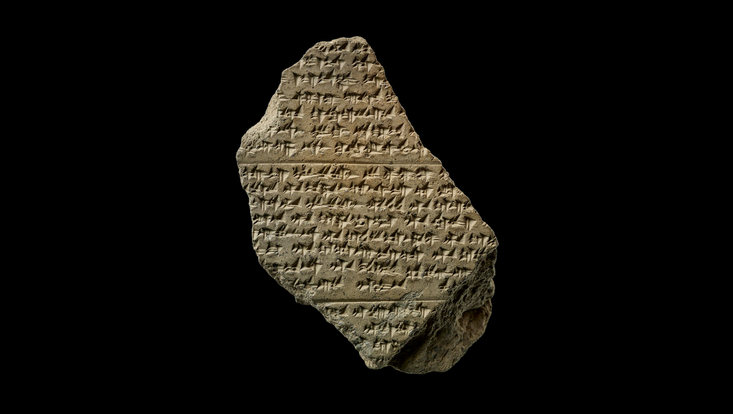
Thanks to the thousands of practice tablets discovered at Nippur, a major cultural centre, learning to read and write Sumerian, as well as mathematics, in the south of Mesopotamia in the early second millennium BCE has been reconstructed in detail.
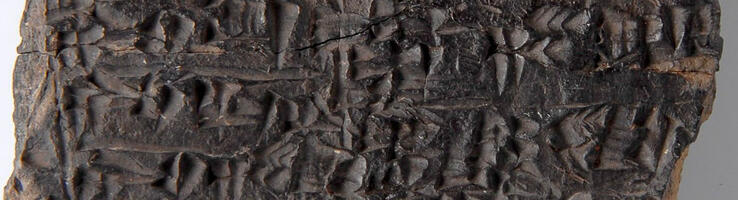
But what about Assyrian society in the north of Mesopotamia, at Assur, and the trading outposts of central Anatolia, especially Kaneš, at the same time?
The high level of literacy among Assyrian merchant families, among both men and women, suggests that teaching practices were fairly widespread. The surviving learning texts, though few – around 20 tablets catalogued to date – show that educating the young took place in a rather informal way compared with the conventional methods used at Nippur. While some children in Assur may have benefited from lessons given by teachers outside the family, most learned to read, write, and count at home from their parents, or even from another member of the family.
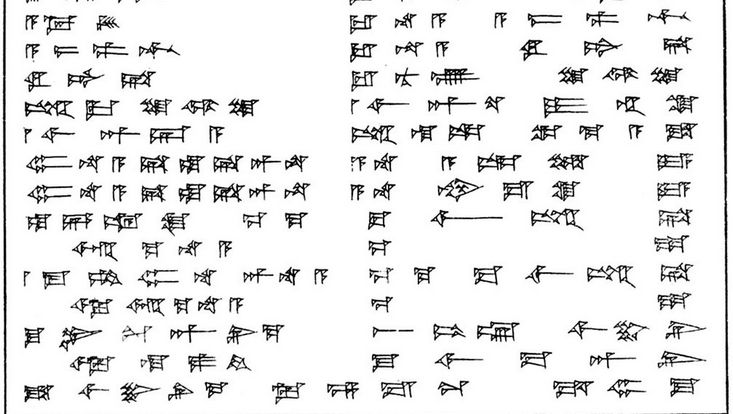
Since the city of Assur has not been excavated for the early second-millennium BCE levels, only a handful of cuneiform tablets from that period have been found there. And these are precisely practice tablets written by apprentice scribes. Eight of them are lenticular in shape, made quickly, and contain only a few lines. The student must convert a weight of metal – gold or tin – into silver in order to determine its price according to a given rate. The other tablets include lists of personal names, one of which contains women’s names. This one, rectangular in shape, is divided into two columns: on the left, the master wrote the names; on the right, the student copied them over and over again – no doubt several times – and then erased them.
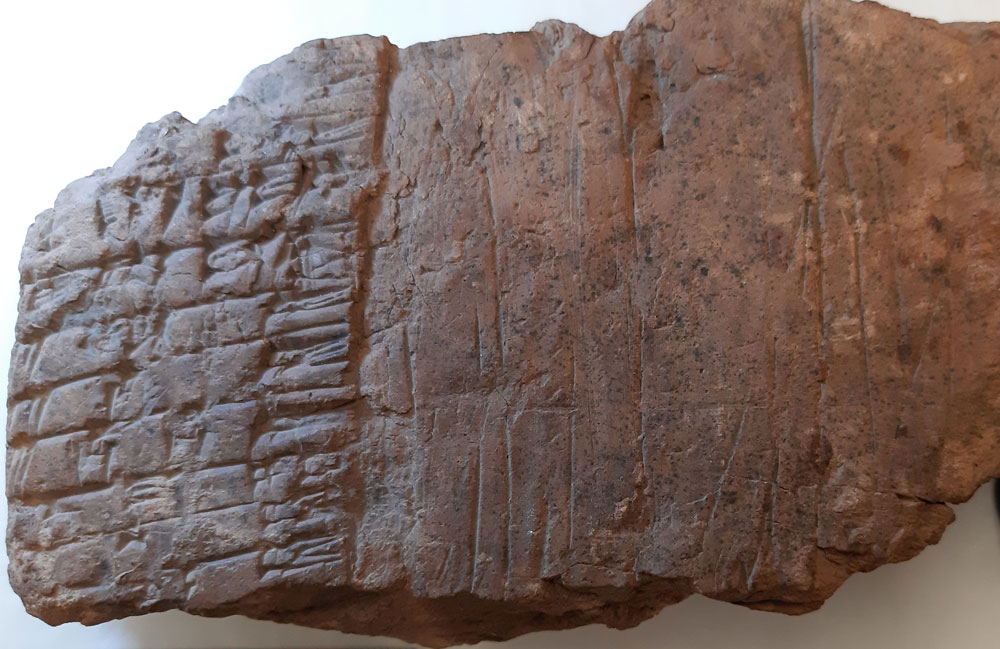
Of the 23,000 cuneiform tablets excavated at the site of Kültepe (ancient Kaneš), only eight practice tablets have been found, scattered across different houses. These texts include two lenticular conversion tablets that offer the same exercises as those from Assur. One long, rectangular tablet contains no fewer than 28 similar exercises. This same tablet also features a list of Sumerian words alongside the names of metals and semi-precious stones. Two other tablets contain vocabulary lists that include textiles and plants, as well as multiplication formulas.
Two beginner tablets, very rough and particularly poorly written, were discovered in the same house. One contains a list of weights ranging from 1 shekel (8 grams) to 100 talents (3 tons). The other includes a list of personal names, whose identical sequence is repeated in two columns. Paleographic analysis suggests that two students each wrote one column, with one of them also being the author of the weight list. Finally, a long tablet offers stock phrases and expressions that appear often in letters; unique in the entire cuneiform documentation, it familiarises the student with letter-writing.
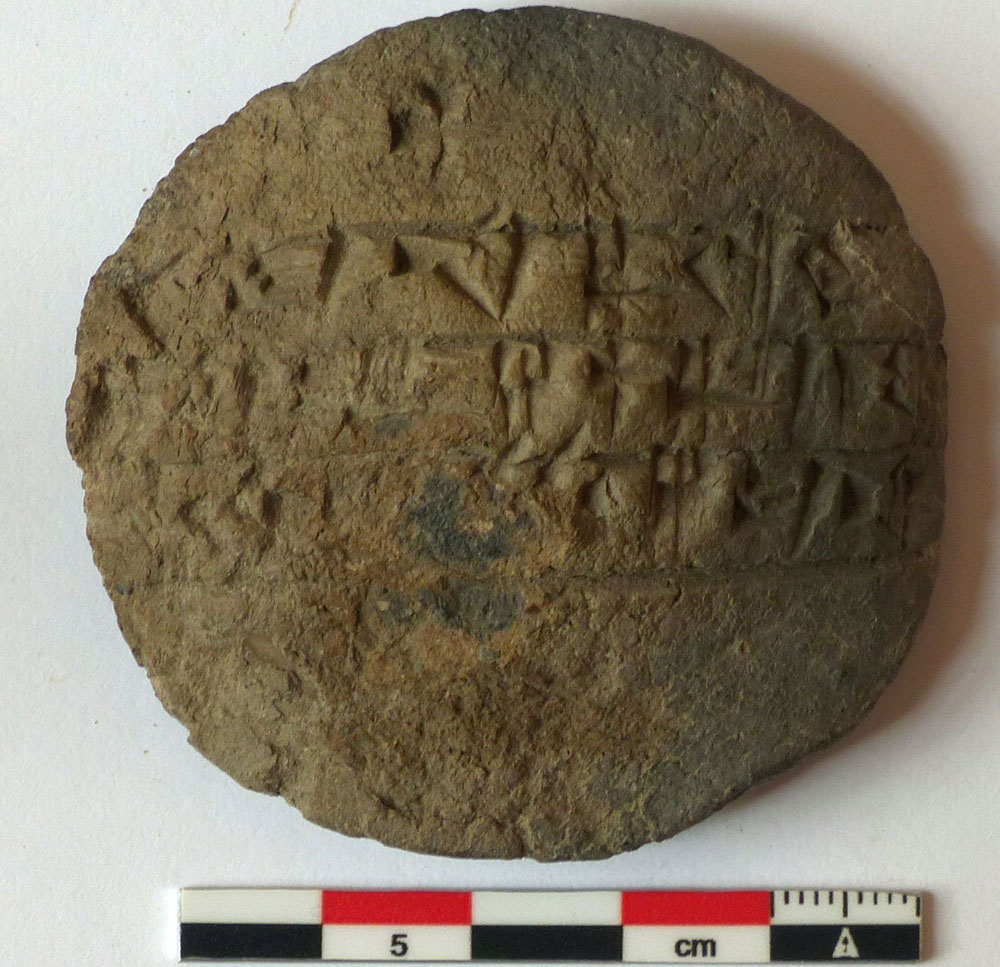
The content of these exercises – conversions, writing personal names and the names of metals, stones, and textiles – is perfectly suited to training merchants who must calculate the prices of goods, write the names of the metals, stones, and textiles they negotiate, be able to spell correctly the names of their partners in commercial contracts, and master metrology thoroughly, especially the weights of metals used both in their exchanges and, for gold and copper, in payments. In international trade, communication necessarily takes place by correspondence: letters account for nearly 40% of the tablets uncovered at Kaneš.
Education within Assyrian merchant society certainly draws on an ancient cuneiform tradition, but it is perfectly adapted to practical goals: those of trade. The Assyrians use a limited syllabary. And the more restricted the number of signs used, the more accessible writing becomes for a broader portion of the population. Thanks to this virtuous circle, many Assyrians and Assyrian women can read and write, regardless of their level of education: the most learned produce regular, carefully made tablets, while the less educated fashion asymmetrical tablets, with hesitant writing and filled with grammatical errors.