MIRA – Manipravalam: Insight, Research, and Analysis
ERC Consolidator Grant
2026–2031
Manipravalam: Insight, Research, and Analysis (MIRA) is a five-year research project led by Dr Suganya Anandakichenin at the Centre for the Study of Manuscript Cultures (CSMC), Universität Hamburg. Funded by the European Research Council (ERC), the project investigates the emergence, development, and cultural significance of Manipravalam, a hybrid literary language that combined Sanskrit with Dravidian languages and flourished in medieval South India.
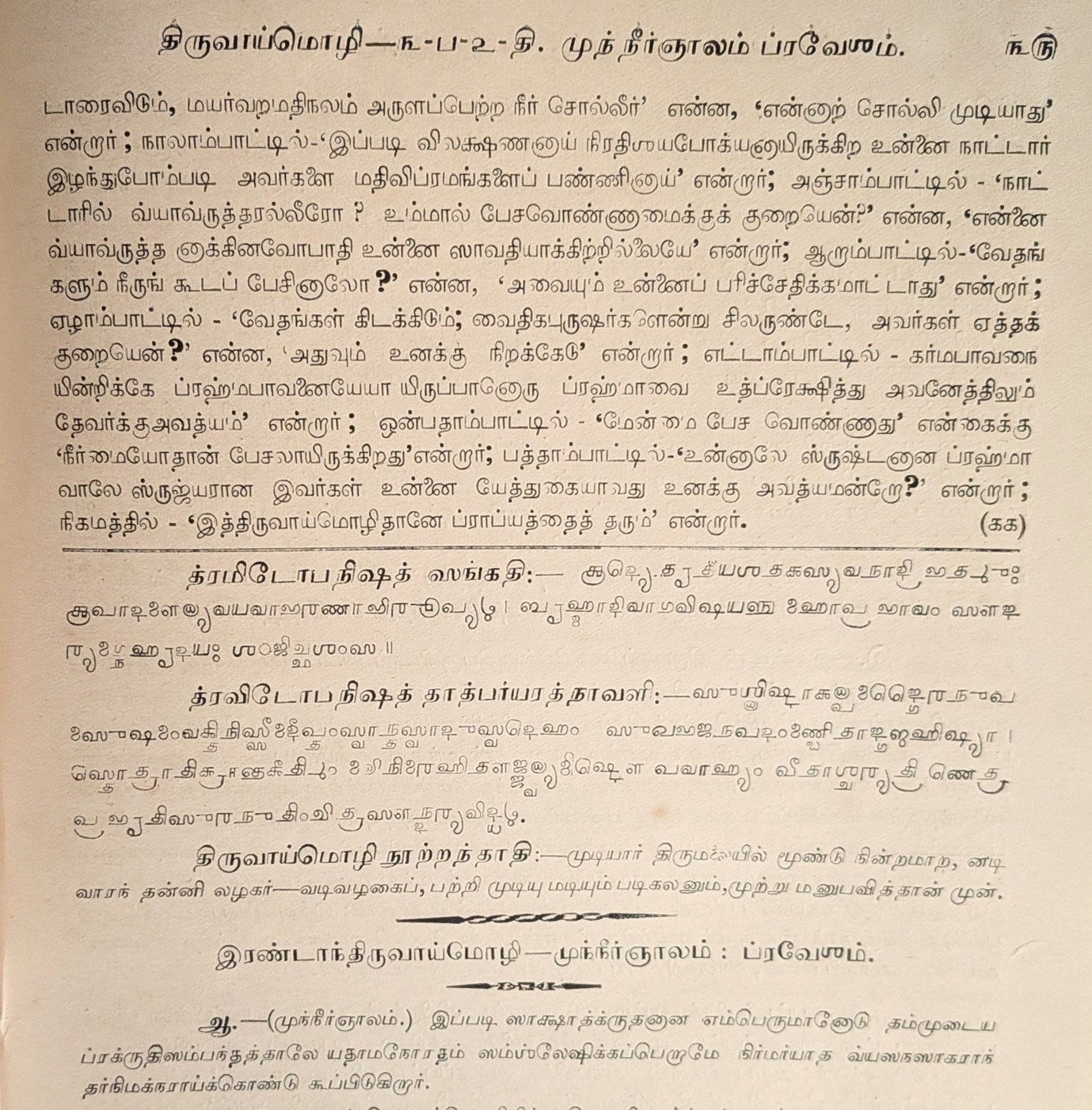
The term Manipravalam ("pearl and coral") refers to the deliberate blending of Sanskrit and Tamil (and, in other regions, Malayalam), creating a literary medium that crossed linguistic, religious, and intellectual boundaries. Although best known from the Śrīvaiṣṇava tradition, Manipravalam was also employed by Jain and Śaiva authors, making it an important vehicle for the transmission of religious knowledge and a unique witness to the multilingual and multi-religious character of medieval South India.
Despite its historical importance, Manipravalam literature has received relatively little sustained scholarly attention. MIRA brings together philology, linguistics, literary studies, religious studies, and digital humanities to examine how Manipravalam developed across different communities, how it shaped the evolution of Tamil literary culture, and how it mediated between Sanskritic and regional intellectual traditions. By studying texts from multiple religious traditions, the project seeks to understand the linguistic choices that underpinned religious communication, cultural exchange, and the circulation of knowledge.
Alongside its research programme, MIRA will produce lasting resources for future scholarship, including a fully indexed digital database of Manipravalam texts and the completion of Pandit Varadadesikan's comprehensive Manipravalam dictionary. These tools will provide an essential foundation for the study of this remarkable literary language and the manuscript traditions in which it survives.
The project began in June 2026 and is funded by the European Research Council (ERC) under the European Union's Horizon Europe research and innovation programme (Grant Agreement No. 101229483).